WELCOME BACK GUYS TO WP REPUBLIC.
I would like to welcome you all and let you know that I appreciate you, spending time here at the blog, very much. Everyone is so busy, and life moves fast, so I really do appreciate you taking time out of your busy day to check out my blog! Thanks.
Another thing I will always appreciate is your feedback to the blog. If you have any comments or suggestions, I welcome them and would love to hear them, always. Not that all criticism is a fun thing, but I think a criticism provided in an honest positive manner is something we can all learn and grow from, if we are open to hearing it. I will always listen to your ideas. So, I welcome your suggestions for the blog, and guys, one more thing that I would like to add is PLEASE DON’T FORGET TO PRESS THE LIKE OR DISLIKE BUTTON.I would like to make sure that the intention behind writing this blog is academic knowledge and bringing clarity to same. Credit goes to the articles, editorials and lectures of various teachers which I have gone through to have clarity on this topic.
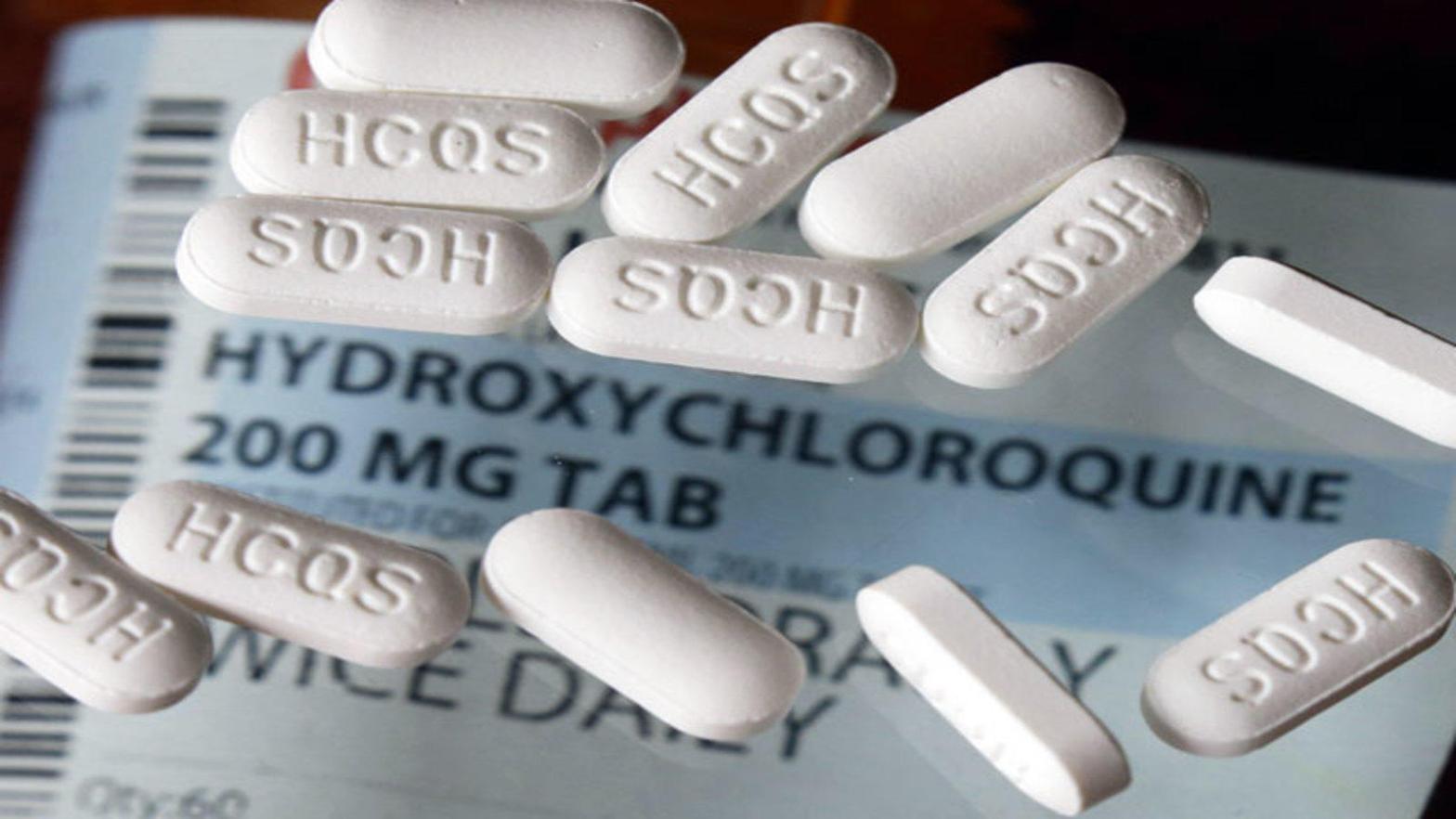
Hydroxychloroquine is used to treat Malaria and Rheumatoid conditions such as Arthritis. In various studies, the drug has demonstrated Antiviral activity, an ability to modify the activity of the immune system, and has an established safety profile at appropriate doses, leading to the hypothesis that it may also be useful in the treatment of COVID-19.
In News- Recently, Hydroxychloroquine or HCQ, the Anti-malarial drug praised by some as a potential weapon against COVID-19, has put the spotlight on a company founded by Prafulla Chandra Ray, considered to be the father of Indian Chemistry. He was Born on August 2 in 1861 and set up Bengal Chemicals & Pharmaceuticals as an individual initiative in a laboratory in 1892 to foster a spirit of entrepreneurship among the youth of Bengal. The Kolkata-based Bengal Chemicals and Pharmaceuticals Limited, the only public sector unit that manufactures Anti-malarial drug in India.
India produces HCQ in large amount. ICMR has prescribed a daily dose of 550 mg to the doctors who are in contact (direct) with COVID-19 patients. HCQ is basically an anti-malarial drug which also used in the treatment of Rheumatoid Arthritis (an auto immune disease).
There are mainly two primary reasons behind India being one of the largest manufacturers of this drug. Firstly, it being an n anti-malarial drug is the most obvious reason, as India is one of the hotspots of malaria. Secondly, Cinchona plant which is the major raw material required for its manufacturing is available in abundance in India. Other required materials are imported from China.
WORKING OF HCQ–
The working of this drug is quite simple. When the CoV comes in proximity to normal cell, its spike protein binds to the plasma membrane of the cell. Now the important thing to note here is that it attaches to the ACE receptors which are mostly found around the lungs, so this might be the reason why the COVID patients are mostly complaining of respiratory illness. Its genome, i.e. the RNA enters the Cytoplasm where transcription takes place and using the Ribosome’s multiple proteins are formed. Now the HCQ has zinc; this drug is mixed with some anti-bacterial drug, which helps to penetrate the Plasma Membrane and reach the Cytoplasm. This zinc in HCQ once it reaches the Cytoplasm inhibits transcription. So, this is the reason why certain tests are successful regarding this drug.
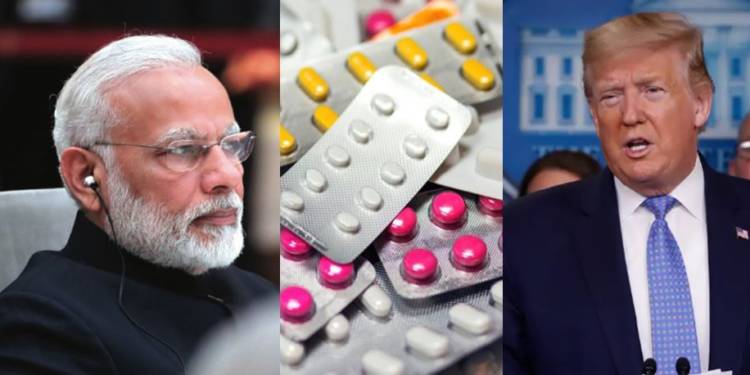
Based on this fact, a famous infectious diseases specialist from France, Dr. Raoult had done some interesting work at a lab study showing that he could get rid of the virus in 6 days from the patients being treated with the accuracy of 100%. This research has convinced most of the global leaders, who in-turn are eyeing India for the export of the same. India banned the export of this drug without any exception. The order came out as the number of positive cases of COVID-19 spiked in the country. Soon after this, there was a statement from Mr. Trump (P.O.T.U.S) threatening India that the U.S. would retaliate if India does not release the stock of HCQ. So, India allowed a limited export of HCQ. On April 6, the Indian government decided to set aside its April 4 HCQ decision, and to revert to some aspects of the March 25 notification. The real issue is the basis on which government changed its mind. Did the concerned authorities not look at the HCQ situation fully before taking the April 4 decision? If they did, then why did the government take a different view on April 6? The external affairs ministry needs to clarify to prevent speculation that India came under Trump’s pressure when he has banned export of essential medical goods himself. Hydroxychloroquine has been identified by the US Food and Drug Administration as a possible treatment for the COVID-19
Many US hospitals are currently using Hydroxychloroquine as first-line therapy for hospitalized patients with COVID-19 despite extremely limited clinical data supporting its effectiveness
Earlier this week, India at the request of US President cleared the export of 35.82 lakh tablets of Hydroxychloroquine to the US.
President Donald Trump has touted the drug as a treatment but scientists still don’t know for sure that it is effective in patients. The drug is potentially dangerous when used at high doses or for prolonged periods. It can cause permanent blindness and even death. The drug is not without risks as even short-term use can cause Cardiac arrhythmias, Seizures, Dermatological reactions, and Hypoglycemia. Maldives had reportedly thanked India for the export of hydroxychloroquine (HCQ), the anti-malaria drug that several countries have chosen to adopt as a form of treatment for the Corona virus. Foreign Minister of Maldives, Abdullah Shahid, wrote in a tweet that Maldives is grateful to PM Modi for acknowledging its request for the Hydroxychloroquine supply, “the game-changer” drug to combat the COVID-19 disease. He further praised India saying that “a friend in need is a friend indeed”
Once the immediate concerns of the public health crisis are resolved, will India relook its areas and levels of engagement with the US, given President Trump’s style of diplomacy? Is a global upsurge in economic nationalism a temporary measure to tackle the COVID-19 crisis or can a more permanently reduced economic and geopolitical interdependency be expected?
Now the question is that whether it was released because of the US pressure or on humanitarian basis. Well there is no conclusive evidence of HCQ treating COVID-19, as it is tested only on limited patients. People are not aware of the side effects. It slows down the heart rhythm, which results in time dilation between heartbeats that may lead to cardiac arrest. It is also not advisable for pregnant women and patients with high BP and sugar.
GOOD DIPLOMATIC ACT?
So, in my view, they should have waited for proper conclusive evidences from various medical agencies around the globe before administering it to COVID-19 patients. If we come out with some positive results of HCQ on COVID, India should still continue as the leading manufacturer of HCQ and it is unlikely that India will run out of the drug stock. I mean, lauded as pharmacy of the global South, India’s decision to export the drug on humanitarian grounds to neighboring countries and others that have been severely hit by the pandemic is a welcome gesture.
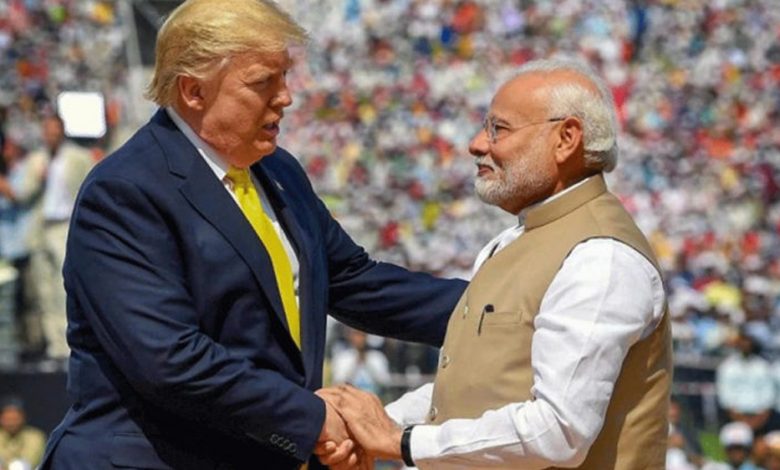
Till now India relied solely on other countries for test supplies and thus it may look to others for other essential materials if the situation worsens. Also, India has much to gain from the US in the future by this diplomatic act. But clearly more research work is the need of the hour to establish the efficacy of the drug.
Lifesaving drugs, with promise in Covid-19 treatment, are being synthesized by CSIR labs in collaboration with pharma majors. Inspiration from traditional medical systems is guiding the ministry of Ayush’s efforts. The idea is to not blindly copy anyone, but to take the best of what is available and by using universally-recognized scientific principles, modify it to local contexts and needs. We have bought ourselves time to prepare and have the scientific capacity to deliver. This war will be won by smart data-driven defense, coupled with strategic offence.
While the medical side defends with what they have, the research side must support them with what they need. Importantly, we must not take our eyes off the real solution — effective treatment and vaccines; developed in India for the world. We have the leadership to inspire and mobilize the public. Can science guide decisions to shape the public health response and to restart the economy? If we do this well, not only will we save grief to hundreds of thousands of Indians, but also contribute to global good and emerge a stronger nation.
Indian opposition leaders, including Congress leader Rahul Gandhi, have stated that there could not be retaliation among “friends”. “India must help all nations in their hour of need but lifesaving medicines should be made available to Indians in ample quantities first,” tweeted Gandhi.
ENOUGH STOCK OF HCQ?
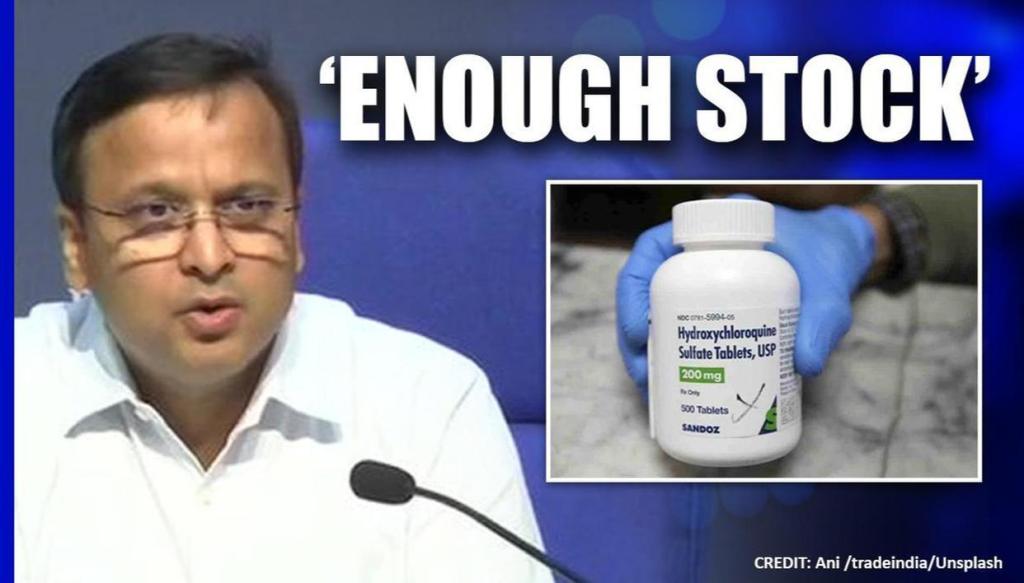
CEO of Indian Pharmaceutical giant Zydus Cadila, Pankaj Patel informed that industry has produced 20 crore Hydroxychloroquine tablets which is in high demand worldwide amid COVID-19 outbreak. According to media reports, details of HCQ and azithromycin will be available in the portal, and other medicines will be added later. The data shall be updated every day and information will be available district-wise. Officials have said that the IT platform will be monitoring the availability of the drug at distribution channels including C&F agents, depots, distributors, wholesalers and retailers. Additionally, notice has been sent to all drug sale license holders to register on the platform. The Ministry of Health and Family Welfare said that the government has more than enough stock of Hydroxychloroquine (HCQ) for meeting the current requirement. It said that the Centre has done proper preparation and planning with respect to current and future requirements of HCQ.
PANDEMIC OR ECONOMIC LIBERALISATION?
Economic liberalization has incapacitated the government to respond to emergencies based on credible information. The logic and policies of economic liberalization seriously undermined the manufacturing capabilities of health products in India. The resultant loss of manufacturing base has affected the ability of many governments, including of developed countries, to put up an effective response to the crisis. We can clearly see that the overwhelming objective of private sector-led economic growth has proved to be disastrous. In the name of economic efficiency, India allowed unconditional imports of several products and never took note of the dangers of dependency, which is affecting us now and also various other countries in the world. So basically a virus has made us rethink our obsession with the economic efficiency theory.
All I can say is that in this crisis, our political leaders are grasping at straws and encouraging hope. When faced with a national medical crisis such as a pandemic, I encourage our leaders to defer to the medical and scientific experts who have the knowledge, skills and training to save lives — and to not encourage unnecessary or unfounded risks with our lives and our safety.
Archit Srivastava
Student
Indian & World Politics
 WP REPUBLIC
Bhaii ❤👍
LikeLiked by 1 person
Best
LikeLike
merci bhai
LikeLike