ARCHIT SRIVASTAVA

Be yourself; Everyone else is already taken.
— Oscar Wilde.
This is the first post on my new blog. I’m just getting this new blog going, so stay tuned for more. Subscribe below to get notified when I post new updates.
Take one cup of love, a pinch of patience and a bucket full of laughter…..chuck that shit out the window, grab a vodka and read this.

Be yourself; Everyone else is already taken.
— Oscar Wilde.
This is the first post on my new blog. I’m just getting this new blog going, so stay tuned for more. Subscribe below to get notified when I post new updates.

Introduction:
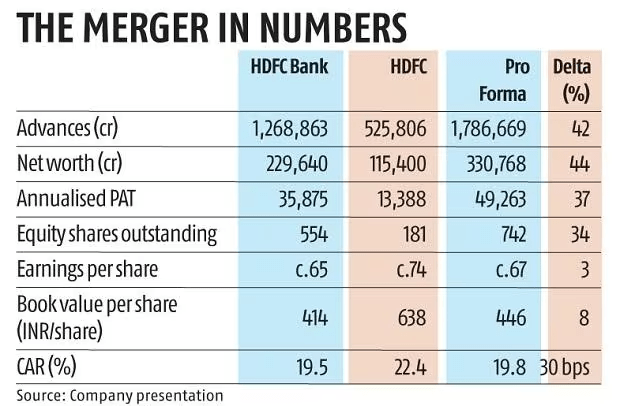
In a significant development for the Indian financial sector, Housing Development Finance Corporation (HDFC) Ltd. has merged with its subsidiary, HDFC Bank, through a reverse merger. The proposal for amalgamation was approved by the respective boards of directors, signifying the cessation of HDFC Ltd. and the creation of a stronger combined entity. This blog aims to provide insights into the implications of this merger on the Indian stock market.
Change in Market Cap:
Following the merger, HDFC Bank’s market capitalization is set to increase substantially. As of the last trading session, HDFC Bank had a market cap of ₹9,51,584.36 crore, while HDFC Ltd. stood at ₹5,22,368.64 crore. With the merger, the joint market cap of HDFC Bank is projected to reach ₹14,73,953 crore, surpassing Tata Consultancy Services (TCS). Consequently, HDFC Bank will become the second most valuable Indian company in terms of market capitalization, trailing only Reliance Industries Ltd. (RIL).
Weightage in Nifty Index:
The merger will also result in a significant change in the weightage of HDFC Bank within the Nifty index. Currently, HDFC Bank contributes 9.23%, and HDFC contributes 6.16%, combining to a total of 15.39% weight in the Nifty index. Post-merger, the relative weight of HDFC Bank will be around 15%, implying that Reliance Industries, which presently holds approximately 10% weight, will no longer remain the most dominant stock in the Nifty index.
Becoming the Fourth Largest Bank in the World:
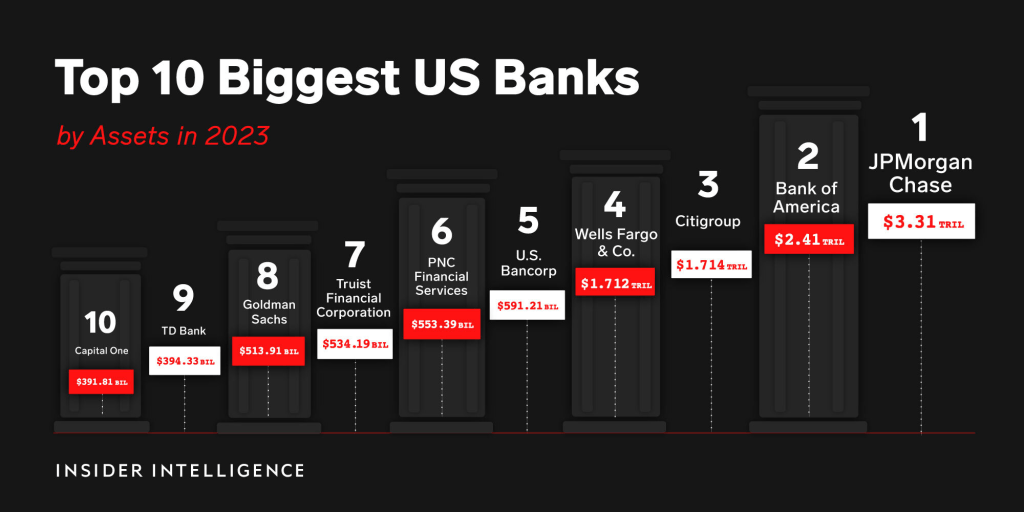
The merger of HDFC Bank and HDFC positions the newly formed entity as the world’s fourth-largest bank, following JP Morgan Chase & Co, Industrial and Commercial Bank of China Ltd (ICBC), and Bank of America Corp. This achievement showcases the growing strength and influence of Indian financial institutions on a global scale.

Merger Ratio:
The merger ratio for HDFC Bank and HDFC is set at 25:42. This means that for every 25 shares of HDFC Ltd., shareholders will receive 42 shares of HDFC Bank. The deal ensures that HDFC Bank will be entirely owned by public shareholders, while existing HDFC Ltd. shareholders will own a 41% stake in HDFC Bank.
Impact on HDFC Bank Subsidiaries:
As a result of the merger, several prominent subsidiaries of HDFC Bank, including HDFC Securities, HDFC AMC, HDFC Ergo GIC, HDFC Capital Advisors, and HDFC Life Insurance, will become integral parts of the bank. Any significant developments within these subsidiaries may subsequently affect the share price of HDFC Bank following the merger.
Loan Portfolio Composition:
The merged entity will witness a diversified loan portfolio. Post-merger, HDFC Bank has become the second-largest bank in India in terms of credit, following State Bank of India. Mortgages are expected to comprise over 30% of the portfolio, while loans from commercial and rural banking sectors will account for around 25%. Retail loans will contribute more than 20%, with corporate loan books and other loans making up 20% and 5% respectively. This diversified loan portfolio reflects the strengthened position of the merged entity in catering to various sectors of the economy.
Conclusion:
The merger between HDFC Bank and HDFC heralds a transformative event for the Indian stock market. With a projected market capitalization surpassing other major companies, increased weight in the Nifty index, and the creation of the fourth-largest bank in the world, the impact of this merger is substantial. It is expected to generate significant synergies and strengthen HDFC Bank’s risk profile. As the Indian financial landscape evolves, all eyes will be on the new entity as it navigates the opportunities and challenges that lie ahead.
KUMAR-ARCHIT
INTERNATIONAL BUSINESS & FINANCE
Silicon Valley Bank Crisis
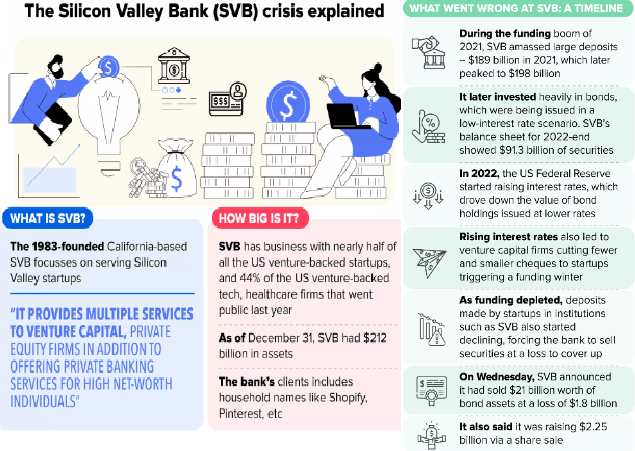
What went wrong?
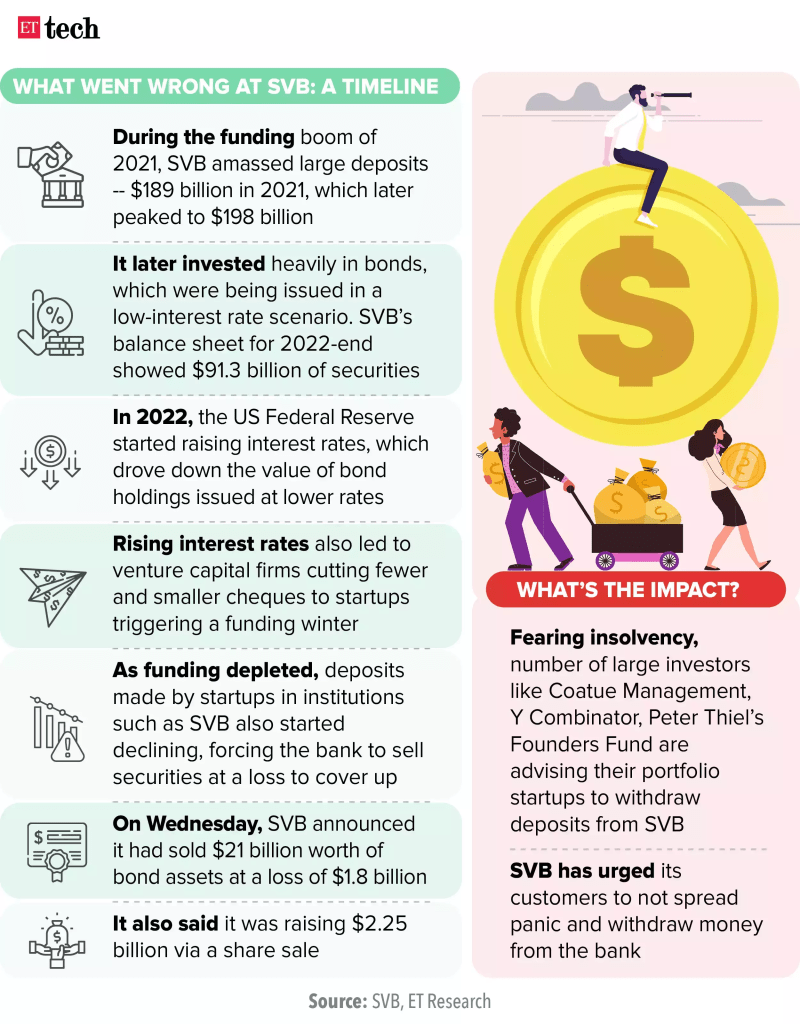
What is the impact?
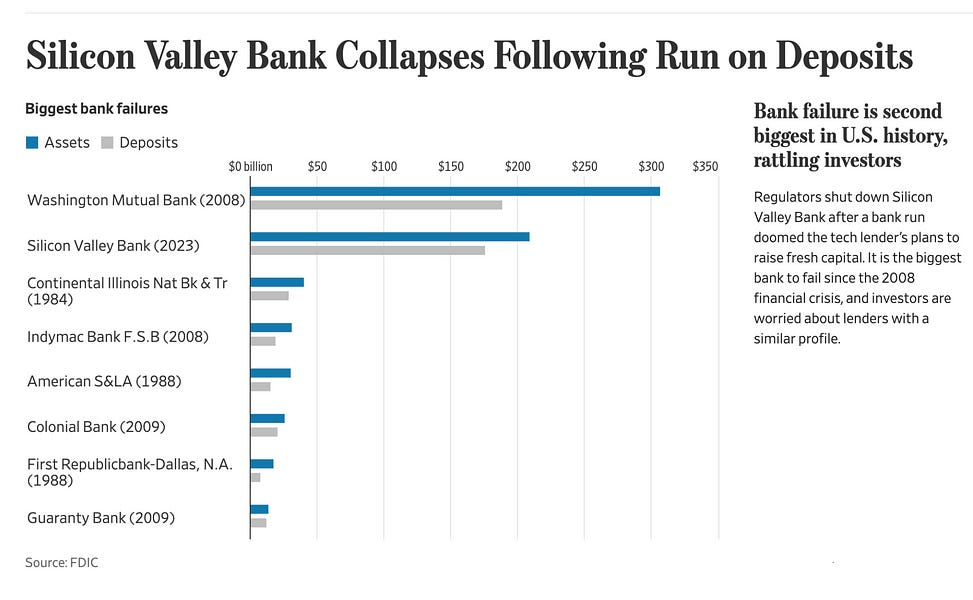
Impact on India
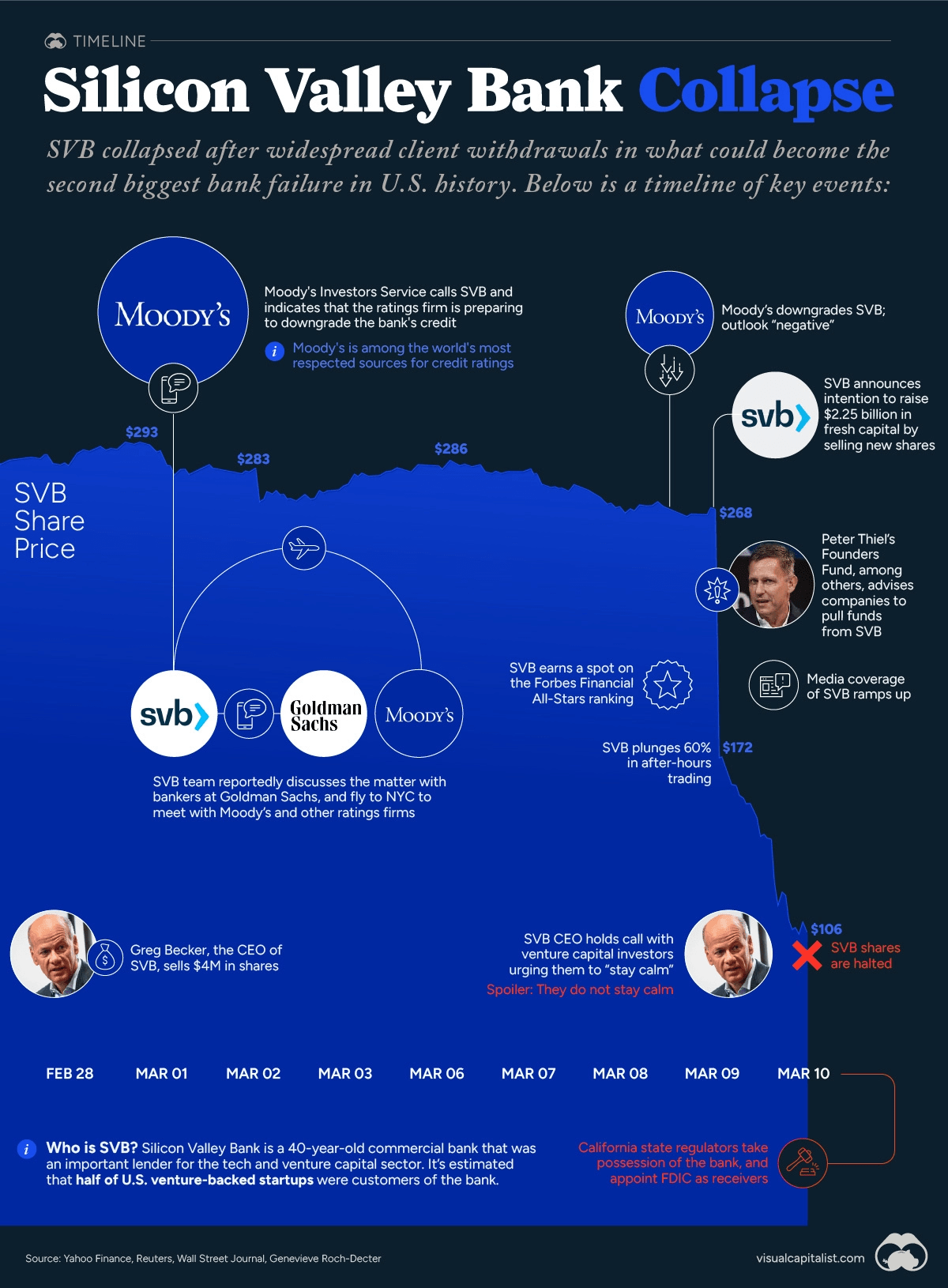
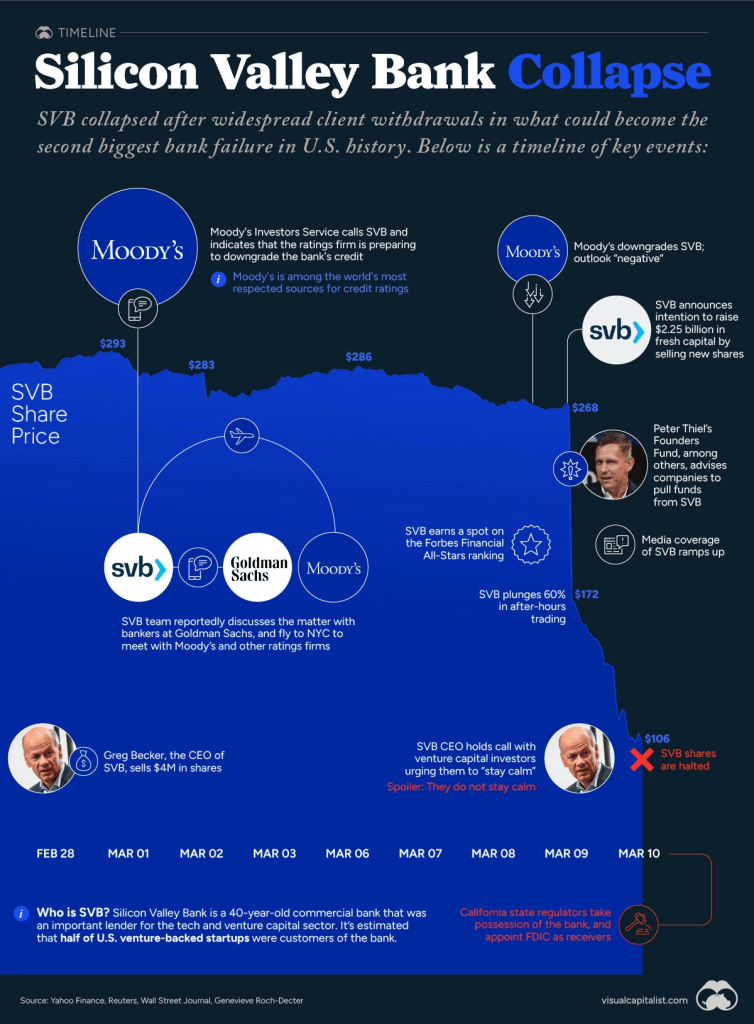
While the “biggest US bank failure since 2008” may sound like a foreshadowing of the crashes and contagion that shook Wall Street in the run-up to the Great Recession, this case is quite different. The general risk of knock-on effects has decreased as regulation has tightened. SVB was also more of a lender than an investor. Covid-time easy money had resulted in an increase in deposits held by SVB’s startup clients, a large portion of which was invested in bonds (think lazy banking) that plummeted in value as the US Fed abruptly reversed its monetary policy to combat inflation.
As a tech-sector squeeze resulted in withdrawals that forced bond losses and revealed a gap in need of capital infusion, a panic run on SVB ensued. Less lazy US banks are also vulnerable to bond portfolio damage, but it is less of a concern for them because their assets and liabilities are more diverse and thus less risky. There have been calls for SVB bailouts, but only if it poses a systemic risk would a federal rescue be justified. At this point, SVB’s failure has not reached such proportions, even if some startups suffer, and it’s best for the rest of us that it doesn’t.
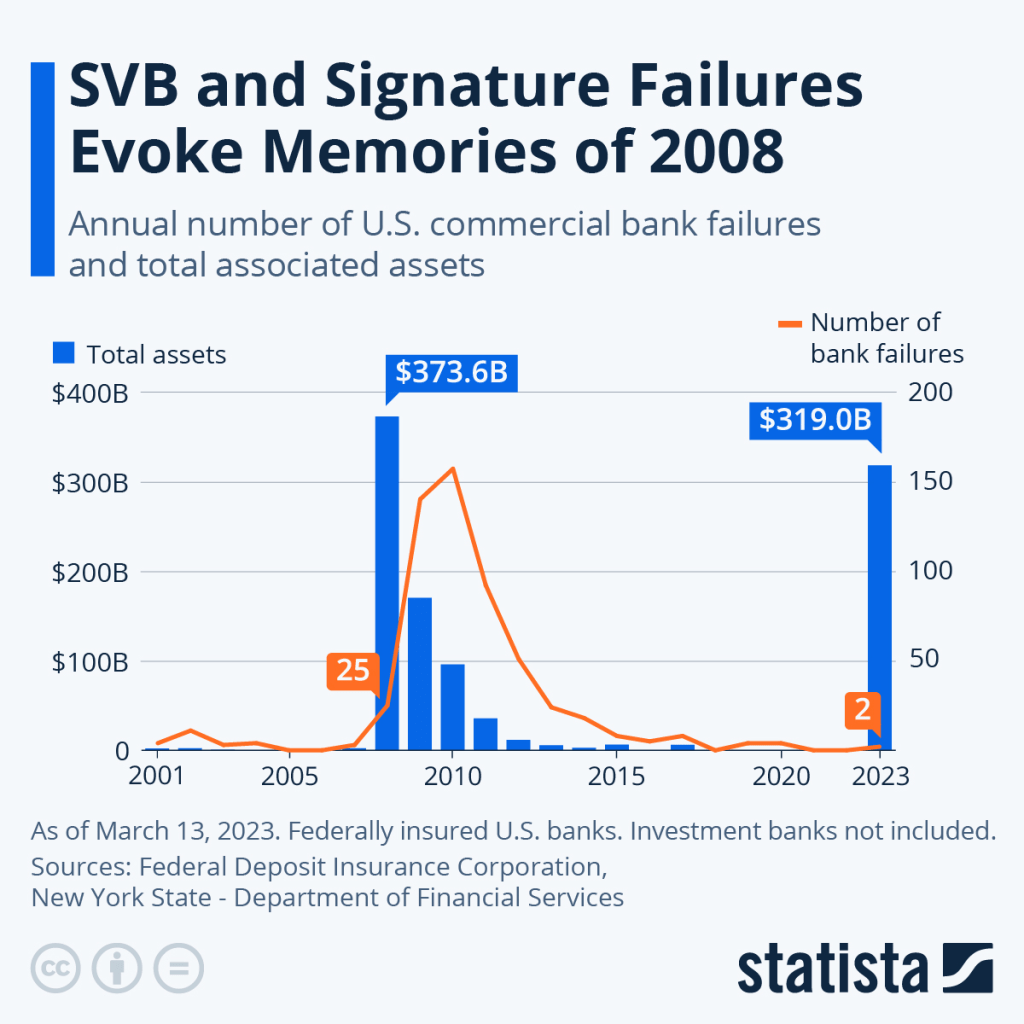
WHAT HAPPENS NEXT?
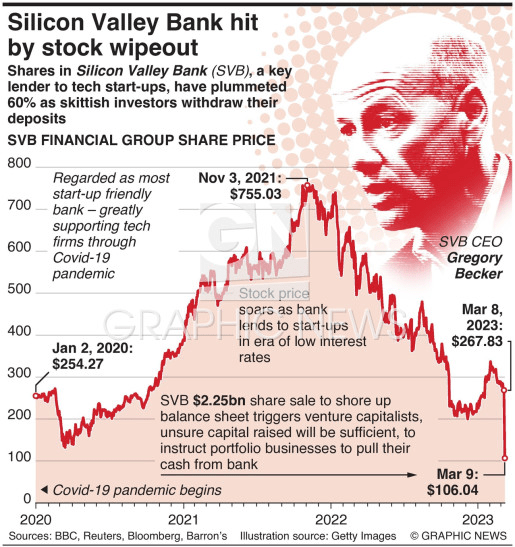
Typically bank regulators look for a stronger bank to take on the assets of a failing bank, but in this case, another bank hasn’t stepped forward, buying Silicon Valley Bank could go a long way to resolving some of the problems tied with the money that startups can’t get to right now.
KUMAR-ARCHIT
STUDENT
INTERNATIONAL BUSINESS & FINANCE

WELCOME BACK GUYS TO WP REPUBLIC.
I would like to welcome you all and let you know that I appreciate you, spending time here at the blog, very much. Everyone is so busy, and life moves fast, so I really do appreciate you taking time out of your busy day to check out my blog! Thanks!
Another thing I will always appreciate is your feedback to the blog. If you have any comments or suggestions, I welcome them and would love to hear them, always. Not that all criticism is a fun thing, but I think a criticism provided in an honest positive manner is something we can all learn and grow from, if we are open to hearing it. I will always listen to your ideas. So, I welcome your suggestions for the blog, and guys, one more thing that I would like to add is PLEASE DON’T FORGET TO PRESS THE LIKE OR DISLIKE BUTTON.I would like to make it clear that the intention behind writing this blog is academic knowledge and bringing clarity to same. Credit goes to the articles, editorials and lectures of various teachers which I have gone through to have clarity on this topic.
Few days ago The Education Ministry unveiled India’s groundbreaking new education policy. The multiple streaming options, vocational training has been finally introduced for school students. The 10+2 academic system has been changed to 5+3+3+4 system. Board exams have been made easier and critical thinking skills and self evaluation have been imparted in the system. This is the third NEP after policies that came in 1968 and 1986. It replaced a 34 years old National Policy on Education which was framed in 1986.
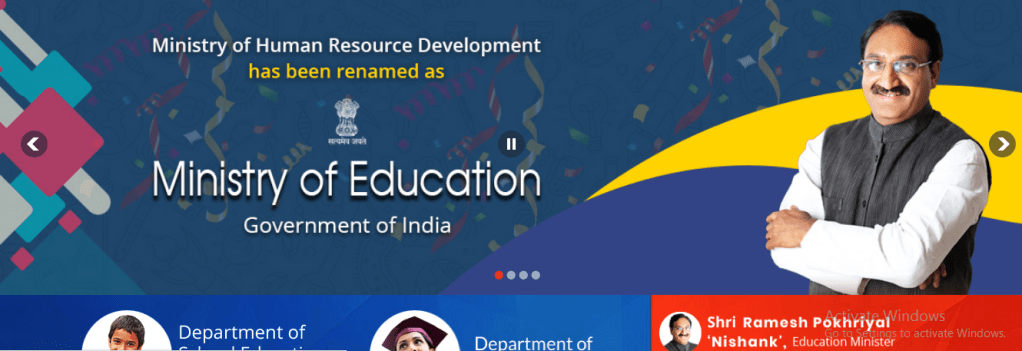
The Cabinet has also approved the renaming of the Ministry of Human Resource Development to the Ministry of Education.
NEP 2020 has been formulated after an unprecedented process of consultation that involved nearly over 2 lakh suggestions from 2.5 lakhs Gram Panchayats, 6600 Blocks, 6000 ULBs,676 Districts. The MHRD initiated an unprecedented collaborative, inclusive, and highly participatory consultation process from January 2015.
In May 2016, ‘Committee for Evolution of the New Education Policy’ under the Chairmanship of Late Shri T.SR. Subramanian, Former Cabinet Secretary, submitted its report. Based on this, the Ministry prepared ‘Some Inputs for the Draft National Education Policy, 2016’.
In June 2017 a Committee for the Draft National Education Policy’ was constituted under the Chairmanship of eminent scientist Dr. K. Kasturirangan, which submitted the Draft National Education Policy, 2019 to the Hon’ble Human Resource Development Minister on 31st May, 2019. The Draft National Education Policy 2019 was uploaded on MHRD’s website and at ‘MyGov Innovate’ portal eliciting views/suggestions/comments of stakeholders,including public.
AIM-
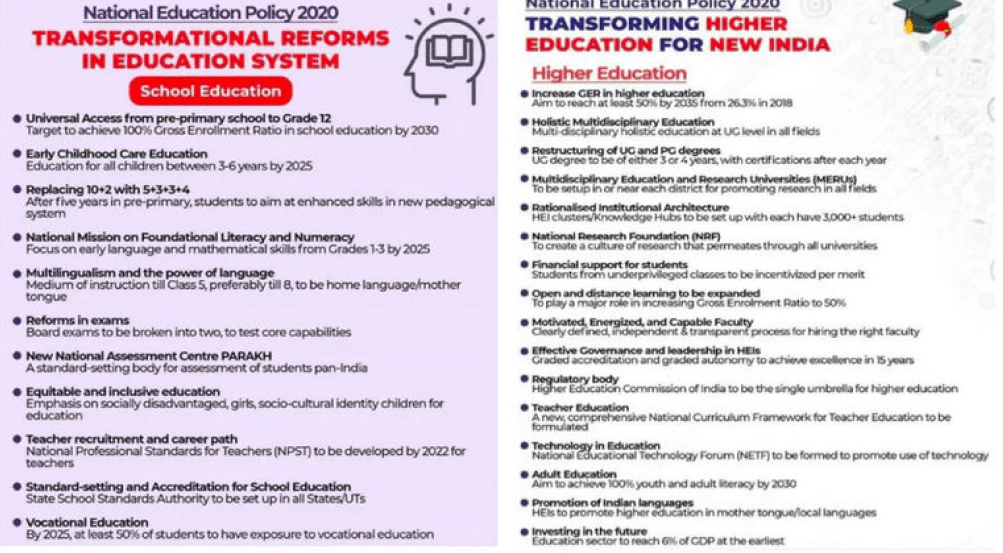
The aim of the policy is to create an education system that contributes directly to transforming the country, providing high-quality education to all, and making India a global knowledge superpower.
It aims for an inclusive & equitable Education System by 2030 and to achieve 100 per cent youth and adult literacy in India. It aims to increase the public investment in the Education sector to reach 6% of GDP at the earliest. It also talks about universalization of education from preschool to secondary level with 100% Gross Enrolment Ratio (GER) in school education by 2030 and bringing 2 crore out of school children back into the mainstream through an open schooling system.
The current 10+2 system to be replaced by a new 5+3+3+4 curricular structure corresponding to ages 3-8, 8-11, 11-14, and 14-18 years respectively.
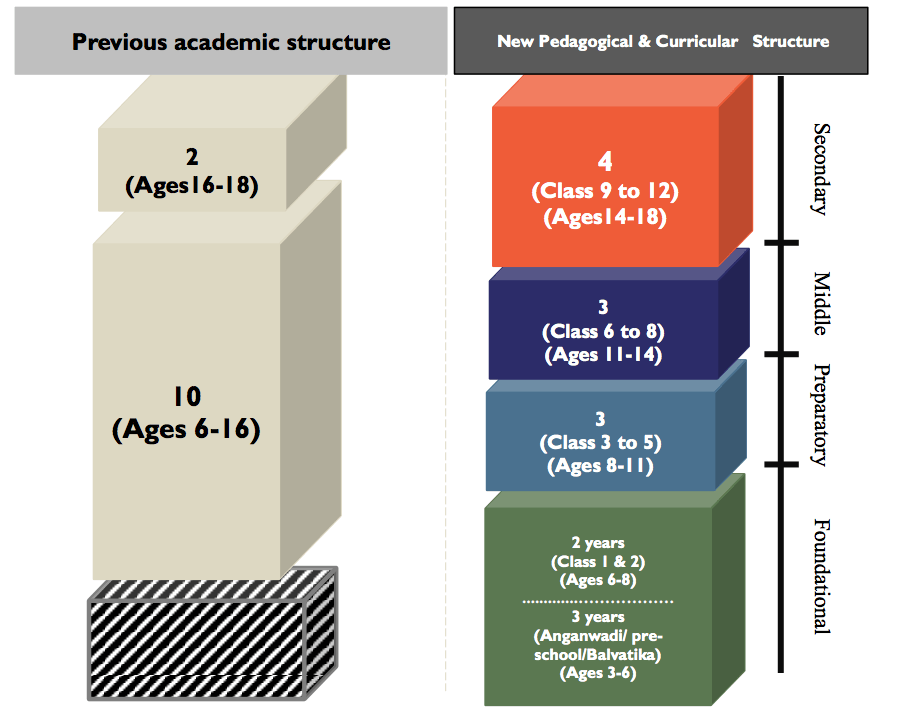
It will bring the uncovered age group of 3-6 years under school curriculum, which has been recognized globally as the crucial stage for development of mental faculties of a child. It will also have 12 years of schooling with three years of Anganwadi/ pre schooling.
Class 10 and 12 board examinations to be made easier, to test core competencies rather than memorized facts, with all students allowed to take the exam twice.
School governance is set to change, with a new accreditation framework and an independent authority to regulate both public and private schools.
Emphasis on Foundational Literacy and Numeracy, no rigid separation between academic streams, extracurricular, vocational streams in schools.
Vocational Education to start from Class 6 with Internships.
Teaching up to at least Grade 5 to be in mother tongue/regional language. No language will be imposed on any student.
Assessment reforms with 360 degree Holistic Progress Card, tracking Student Progress for achieving Learning Outcomes
A new and comprehensive National Curriculum Framework for Teacher Education (NCFTE) 2021 will be formulated by the National Council for Teacher Education (NCTE) in consultation with National Council of Educational Research and Training (NCERT).
By 2030, the minimum degree qualification for teaching will be a 4-year integrated B.Ed. degree.
Higher Education:
Gross Enrolment Ratio in higher education to be raised to 50% by 2035. Also, 3.5 crore seats to be added in higher education.
The current Gross Enrolment Ratio (GER) in higher education is 26.3%.
Holistic Undergraduate education with a flexible curriculum can be of 3 or 4 years with multiple exit options and appropriate certification within this period.
M.Phil courses will be discontinued and all the courses at undergraduate, postgraduate and PhD level will now be interdisciplinary.
Academic Bank of Credits to be established to facilitate Transfer of Credits.
Multidisciplinary Education and Research Universities (MERUs), at par with IITs, IIMs, to be set up as models of best multidisciplinary education of global standards in the country.
The National Research Foundation will be created as an apex body for fostering a strong research culture and building research capacity across higher education.
Higher Education Commission of India (HECI) will be set up as a single umbrella body for the entire higher education, excluding medical and legal education. Public and private higher education institutions will be governed by the same set of norms for regulation, accreditation and academic standards. Also, HECI will be having four independent verticals namely,
National Higher Education Regulatory Council (NHERC) for regulation,
General Education Council (GEC) for standard setting,
Higher Education Grants Council (HEGC) for funding,
National Accreditation Council (NAC) for accreditation.
Affiliation of colleges is to be phased out in 15 years and a stage-wise mechanism to be established for granting graded autonomy to colleges.Over a period of time, every college is expected to develop into either an autonomous degree-granting College, or a constituent college of a university.
CRITICAL ANALYSIS
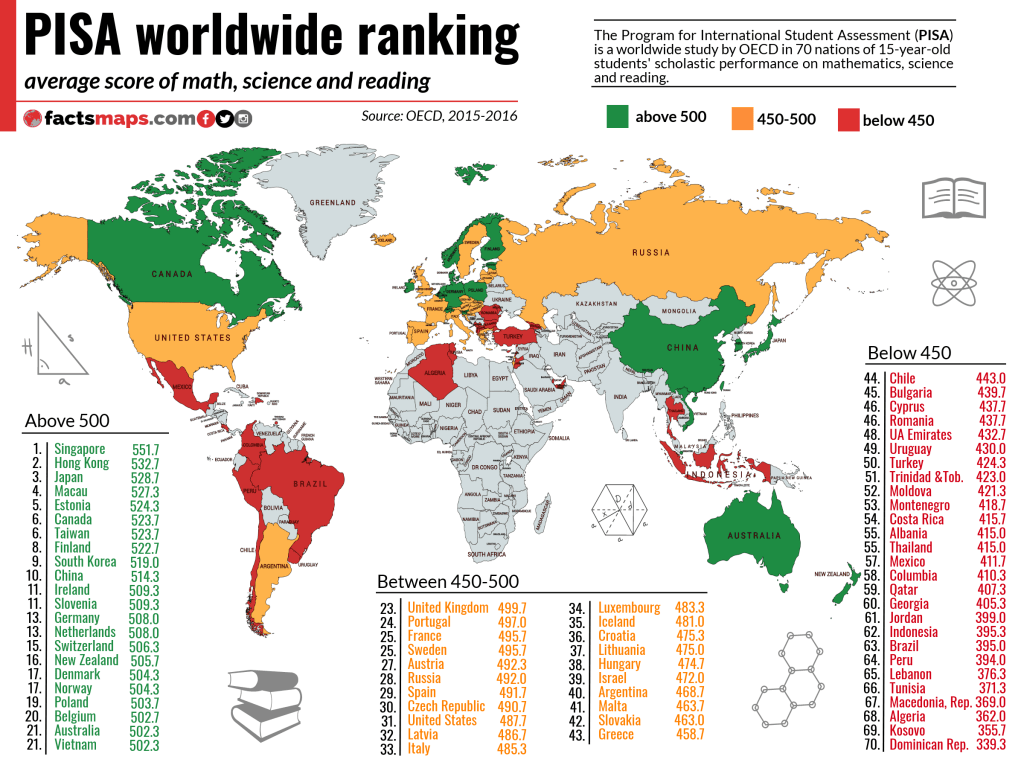
The New Education Policy is an inclusive, participatory and holistic approach, which takes into consideration field experiences, empirical research, stakeholder feedback, as well as lessons learned from best practices. It is a welcome move amidst the pandemic where education has been drastically affected. It tries to bring the preschool within the ambit of education because in spite of charging exorbent amount of fess there was no proper focus on the curriculum. Also ranking of India in the ASER & PISA REPORT was very poor, but this new education policy would surely help in changing this perspective provided the implementation of the same goes right.
The concept which is a little problematic from my perspective is MULTILINGUALISM. What about people in government jobs in which they have to face frequent transfers? How will a child from north India would cope with the local language of a district or territory in south? Although the policy says that the teacher should try to keep it bilingual but there is always a caveat, south Indian teacher teaching in Hindi is a way forward concept. The NEP doesn’t say anything specifically on children of parents with transferable jobs, but acknowledges children living in multilingual families: “Teachers will be encouraged to use a bilingual approach, including bilingual teaching-learning materials, with those students whose home language may be different from the medium of instruction.”
Also too many teacher training programs is a bit confusing activity. I feel that instead of creating a synergy they are creating confusion. There should be uniform training programs and a professional training standard as far as testing of teachers is concerned.
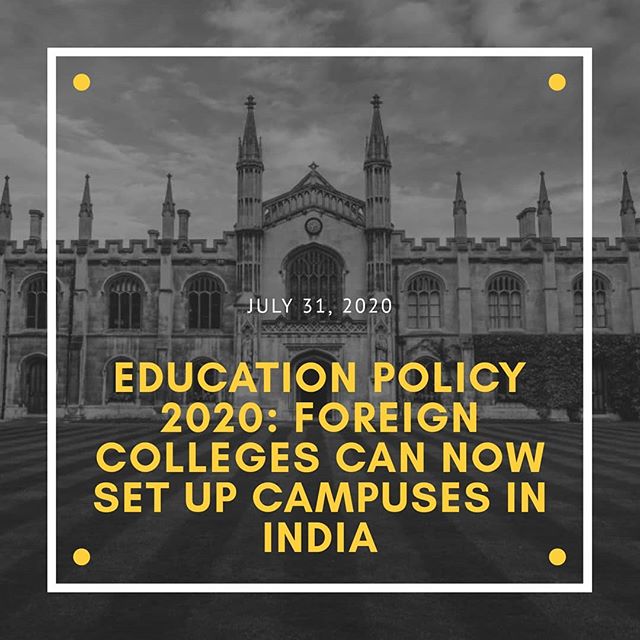
Inviting the foreign universities for opening their campus in India is a welcome step. There would be a sense of competition which would further encourage the Indian educational institutions to work more on their system and curriculum, a race for being the best which would indirectly benefit our students.
The Centre has aimed to surge public spending on education to almost 6 percent of Gross Domestic Product (GDP), i.e. a nearly 2 per cent increase in spending. In the last 6 years, ModiGovt expenditure in education has declined in real terms, this might question the validity of this highly aspirational step. Also, we need to ensure that people who are dropping out of the earlier stages of education are not doing so because they don’t have resources.
The biggest area where this policy is lacking is explicit information on funding and fees. If we have a policy that ends up driving up the cost, we will reduce opportunities and make education unaffordable for the poor. It requires closer scrutiny, in terms of its implications for the marginalized, disciplinary spaces, autonomy, and constitutional values, among other things. What are its implications for the majority of those covered under the acronym SEDGs (Socially and Economically Disadvantaged Groups) in the text? Also absent is any mention of reservation in academic institutions, whether for students, teachers, or other employees. Reservation, necessary but not sufficient, is the bare minimum required in terms of affirmative action in the highly differentiated socio-economic milieu in which we exist. The silence of the document on this issue is troubling, to say the least.
There are some good elements to the NEP 2020 that will generate little friction, and need only adequate resourcing. Provision of an energy-filled breakfast, in addition to the nutritious mid-day meal, to help children achieve better learning outcomes, is one. Creation of ‘inclusion funds’ to help socially and educationally disadvantaged children pursue education is another. Where the policy fails to show rigor, however, is on universalisation of access, both in schools and higher education; the Right to Education needs specific measures to succeed. Moreover, fee regulations exist in some States even now, but the regulatory process is unable to rein in profiteering in the form of unaccounted donations. The idea of a National Higher Education Regulatory Council as an apex control organization is bound to be resented by States. Similarly, a national body for aptitude tests would have to convince the States of its merits. Among the many imperatives, the deadline to achieve universal literacy and numeracy by 2025 should be a top priority as a goal that will crucially determine progress at higher levels.
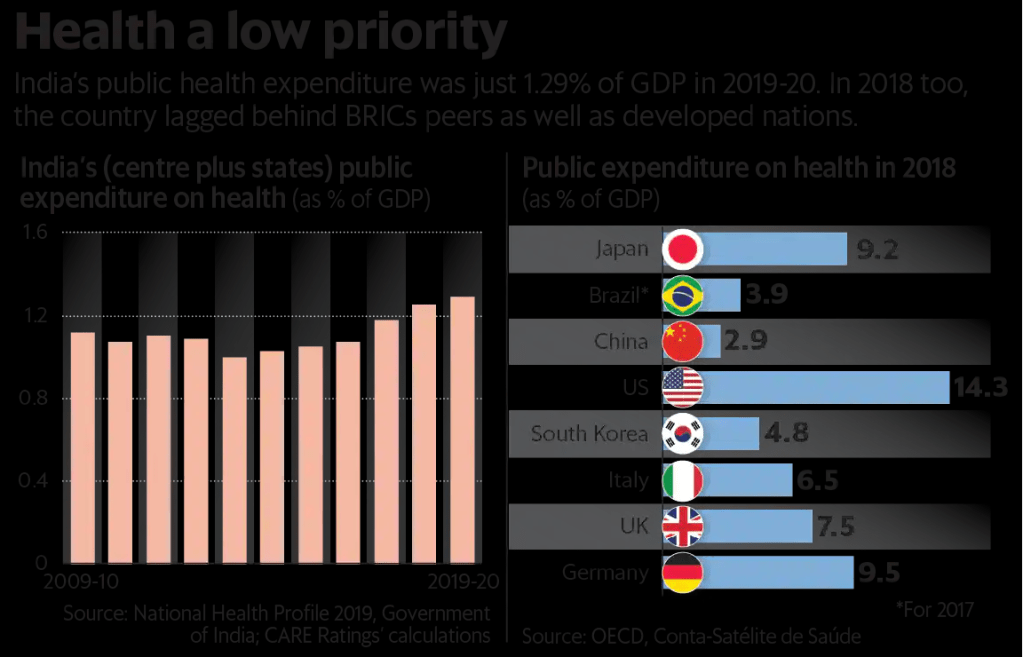
India’s economy needs big dose of health spending
INDIA’S EXPENDITURE IN HEALTH CARE IS AROUND 1.8% OF GDP. SO WE NEED TO INVEST MORE ON OUR HEALTH CARE SYSTEMS, BECAUSE NO MATTER HOW GOOD A POLICY YOU MAKE, IT’S ALL WORTHLESS IF THE PEOPLE IN YOUR SOCIETY ARE NOT HEALTHY.
Thus we can say that how far does this policy goes as far as its implementation is concerned is the most disquiet part. But we will come to know better once the implementation begins, as we all know that THE DEVIL LIES IN THE DETAILS.
ARCHIT SRIVASTAVA
STUDENT
INDIAN & WORLD POLITICS
WELCOME BACK GUYS TO WP REPUBLIC.
I would like to welcome you all and let you know that I appreciate you, spending time here at the blog, very much. Everyone is so busy, and life moves fast, so I really do appreciate you taking time out of your busy day to check out my blog! Thanks.
Another thing I will always appreciate is your feedback to the blog. If you have any comments or suggestions, I welcome them and would love to hear them, always. Not that all criticism is a fun thing, but I think a criticism provided in an honest positive manner is something we can all learn and grow from, if we are open to hearing it. I will always listen to your ideas. So, I welcome your suggestions for the blog, and guys, one more thing that I would like to add is PLEASE DON’T FORGET TO PRESS THE LIKE OR DISLIKE BUTTON.I would like to make it clear that the intention behind writing this blog is academic knowledge and bringing clarity to same. Credit goes to the articles, editorials and lectures of various teachers which I have gone through to have clarity on this topic.
CONCERNED ISSUE- THE SABRIMALA CASE STUDY
The history of framing of the constitution is a history of conflict and clashing philosophies. The constitution’s fundamental rights chapter grants rights to individuals against the state to individual against other individual to group communities against the state, and as a final layer, allows the state to restrict their rights for various regions

Tension between their various provisions is inevitable, and is perhaps reflected most starkly in the religious freedom clause Article 25 and 26. Article 25 (1) guarantee to all person the right to freely profess, practice, and propagate their religion. Article 26(2) grant to religious denomination the rights to manage their own affair in the matter of religion. Now over riding both their provison. Article 25 (2) allows state intervention in religious practice, if it is for the purpose of “social welfare”.
Kerala’s Sabrimala temple issue is about the conflict between women rights and fraction. According to old age tradition and customs,women from 10 to 50 years of age were not permitted into Sabrimala temple, because of strict celibate status of load Ayyappa. The question was that can the code or government interfere in essential practice of a religion and that too with India being a secular country. There was a question on constitutional morality. Things changed when on September 28 2018 ,the constitutional bench of the Supreme Court, declared that restricting entry of women of menstruating age was unconstitutional. By the majority of 4:1 the court struck down the provision of the Kerala Hindu places of public worship rules. The one judge against this verdict was justice Indu Mehlotra who was heavily criticized for speaking against female rights and that too after being a female. The point of Sabrimala group was that since they declared themselves to form a denomination, so they should be allowed to make their own rules. The Supreme Court said that Ayyappa devotion do not constitute a separate religious denomination. The Supreme Court clearly said that prohibition on women is not an essential part of Hindu religion. Secondly individual freedom prevails over professed group rights in the matter of religion. The court also said that not allowing women because of menstruation is based on notion of impurity which is a form of untouchability. So the Sabrimala group could neither prove that banning women is part of a essential practice in Hindu culture nor that their group is a separate religious denomination. So it is impossible for the court to give you protection under Article 25 of the constitution.

Although one can say that comparing women discrimination with untouchability can be a little problematic, on the part of the court as punishment are severe in case of untouchability . A person having practice or essential religious practice is for the religious community to decide and not for the court. Infact Justice Indu Mehlotra who was the lone member against this verdict ,said that the present judgment would not be limited to Sabrimala ,but will also have wide ramification and issues of deep religious sentiment should not be ordinarily interpreted into by the court or the state . This verdict of 2018 was reveled in 2019 as various question were still to be answered by the court .
The first question was whether the definition of the essential religious practice be decided by the court or should the question be left to the respective religious head secondly should “essential religious practices” be afforded constitutional protection under Article 26 which talked about freedom to manage religious affairs. The term essential religious practice is clearly defined in the doctrine evolved by the court in 1950’s which is practices and beliefs considered integral by a religious community are to be regarded as essential and protected under Article 25. Thirdly the court needs to decide that what is the permissible extent of judicial recognition a court should give to PIL’s filed by people who do not belong to the religion of which practices are under scanner.
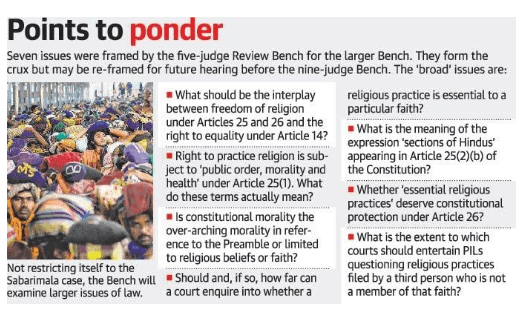
So one can say that it is a clear cut conflict between constitutional morality and essential religious practices. One does not find the exact definition of constitutional morality. Justice Deepak Mishra tried to define this term during his verdict on Section377 case. He said that morality is not yours or mine, something which is based on constitutional values is constitutional morality. He said that constitutional morality does not include only provisions of the constitution. Its scope is a little beyond that, so that it ensures that you have an advanced, pluralistic and inclusive society.
CONCLUSION
This issue is an excellent opportunity for the court to reassess and reform the age old traditions in the country which discriminate certain sections of the society. The court should look beyond just denied of freedom of religion to women but also of equal access to public space. It will put the foundation stone for the radical re reading of the constitutions and can help the court to make a meaningful difference to people civil rights across caste class gender and religion.
In this era of 21st Century where on one hand we talk about development, growth, prosperity, global leader and world power, on the other hand, we are still tied with the chains of our deep-rooted conservative ideologies of certain customs and beliefs and hence fail as a society and a nation.
The women in the society are discriminated on grounds of gender and sex and they are still considered submissive to men due to the patriarchal mindset of the people at large. The movements of feminism have come a long way in ensuring and giving rights to the women but we still have a long way to go. India being a country of diverse people and culture, the area of religion is a sensitive topic to touch upon. The Supreme Court through its judgment cleared the tussle between fundamental rights and traditions. Traditions have always been an important and essential part of our society and it is one of the famous things for which the country holds its identity. But traditions which hamper the basic essence of the constitution and rights of a particular class of people in the society due to mere natural biological process certainly needs to be questioned. The Constitution of India guarantees certain fundamental rights to all the citizens wherein Right to Equality and Right to Religion are two of them. The Supreme Court through its verdict of removing the ban on women from entering the Sabarimala temple again established the supremacy of Constitution above all other aspects and ensuring that the rights of women are not violated due to certain long-prevailing customs and traditions.
ARCHIT SRIVASTAV
STUDENT
INDIAN&WORLD POLITICS
WELCOME BACK GUYS TO WP REPUBLIC.
I would like to welcome you all and let you know that I appreciate you, spending time here at the blog, very much. Everyone is so busy, and life moves fast, so I really do appreciate you taking time out of your busy day to check out my blog! Thanks.
Another thing I will always appreciate is your feedback to the blog. If you have any comments or suggestions, I welcome them and would love to hear them, always. Not that all criticism is a fun thing, but I think a criticism provided in an honest positive manner is something we can all learn and grow from, if we are open to hearing it. I will always listen to your ideas. So, I welcome your suggestions for the blog, and guys, one more thing that I would like to add is PLEASE DON’T FORGET TO PRESS THE LIKE OR DISLIKE BUTTON.I would like to make sure that the intention behind writing this blog is academic knowledge and bringing clarity to same. Credit goes to the articles, editorials and lectures of various teachers which I have gone through to have clarity on this topic.
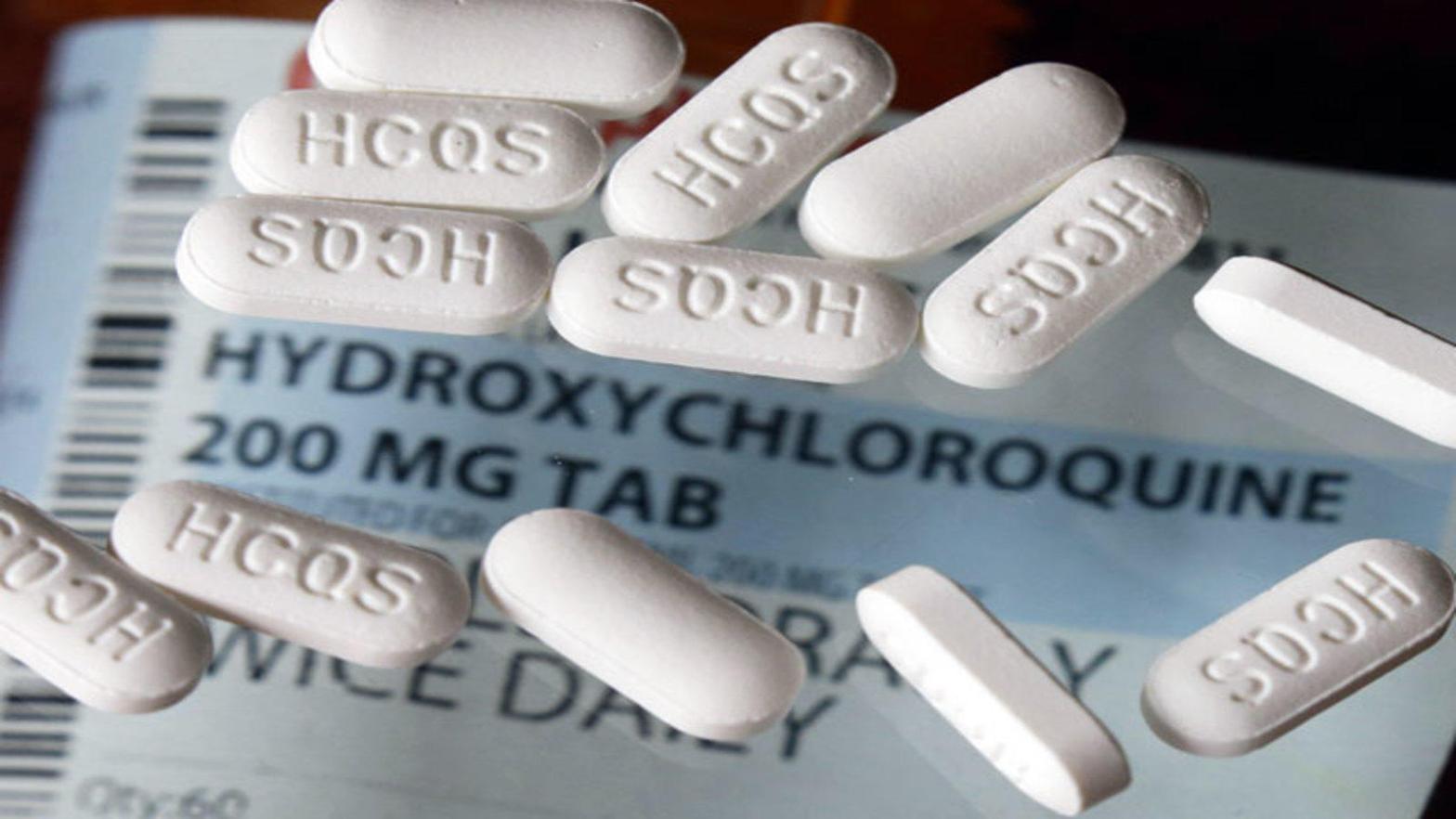
Hydroxychloroquine is used to treat Malaria and Rheumatoid conditions such as Arthritis. In various studies, the drug has demonstrated Antiviral activity, an ability to modify the activity of the immune system, and has an established safety profile at appropriate doses, leading to the hypothesis that it may also be useful in the treatment of COVID-19.
In News- Recently, Hydroxychloroquine or HCQ, the Anti-malarial drug praised by some as a potential weapon against COVID-19, has put the spotlight on a company founded by Prafulla Chandra Ray, considered to be the father of Indian Chemistry. He was Born on August 2 in 1861 and set up Bengal Chemicals & Pharmaceuticals as an individual initiative in a laboratory in 1892 to foster a spirit of entrepreneurship among the youth of Bengal. The Kolkata-based Bengal Chemicals and Pharmaceuticals Limited, the only public sector unit that manufactures Anti-malarial drug in India.
India produces HCQ in large amount. ICMR has prescribed a daily dose of 550 mg to the doctors who are in contact (direct) with COVID-19 patients. HCQ is basically an anti-malarial drug which also used in the treatment of Rheumatoid Arthritis (an auto immune disease).
There are mainly two primary reasons behind India being one of the largest manufacturers of this drug. Firstly, it being an n anti-malarial drug is the most obvious reason, as India is one of the hotspots of malaria. Secondly, Cinchona plant which is the major raw material required for its manufacturing is available in abundance in India. Other required materials are imported from China.
The working of this drug is quite simple. When the CoV comes in proximity to normal cell, its spike protein binds to the plasma membrane of the cell. Now the important thing to note here is that it attaches to the ACE receptors which are mostly found around the lungs, so this might be the reason why the COVID patients are mostly complaining of respiratory illness. Its genome, i.e. the RNA enters the Cytoplasm where transcription takes place and using the Ribosome’s multiple proteins are formed. Now the HCQ has zinc; this drug is mixed with some anti-bacterial drug, which helps to penetrate the Plasma Membrane and reach the Cytoplasm. This zinc in HCQ once it reaches the Cytoplasm inhibits transcription. So, this is the reason why certain tests are successful regarding this drug.
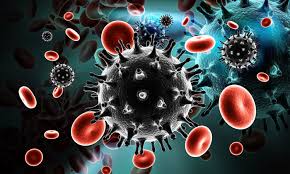
Based on this fact, a famous infectious diseases specialist from France, Dr. Raoult had done some interesting work at a lab study showing that he could get rid of the virus in 6 days from the patients being treated with the accuracy of 100%. This research has convinced most of the global leaders, who in-turn are eyeing India for the export of the same. India banned the export of this drug without any exception. The order came out as the number of positive cases of COVID-19 spiked in the country. Soon after this, there was a statement from Mr. Trump (P.O.T.U.S) threatening India that the U.S. would retaliate if India does not release the stock of HCQ. So, India allowed a limited export of HCQ. On April 6, the Indian government decided to set aside its April 4 HCQ decision, and to revert to some aspects of the March 25 notification. The real issue is the basis on which government changed its mind. Did the concerned authorities not look at the HCQ situation fully before taking the April 4 decision? If they did, then why did the government take a different view on April 6? The external affairs ministry needs to clarify to prevent speculation that India came under Trump’s pressure when he has banned export of essential medical goods himself. Hydroxychloroquine has been identified by the US Food and Drug Administration as a possible treatment for the COVID-19
Many US hospitals are currently using Hydroxychloroquine as first-line therapy for hospitalized patients with COVID-19 despite extremely limited clinical data supporting its effectiveness
Earlier this week, India at the request of US President cleared the export of 35.82 lakh tablets of Hydroxychloroquine to the US.
President Donald Trump has touted the drug as a treatment but scientists still don’t know for sure that it is effective in patients. The drug is potentially dangerous when used at high doses or for prolonged periods. It can cause permanent blindness and even death. The drug is not without risks as even short-term use can cause Cardiac arrhythmias, Seizures, Dermatological reactions, and Hypoglycemia. Maldives had reportedly thanked India for the export of hydroxychloroquine (HCQ), the anti-malaria drug that several countries have chosen to adopt as a form of treatment for the Corona virus. Foreign Minister of Maldives, Abdullah Shahid, wrote in a tweet that Maldives is grateful to PM Modi for acknowledging its request for the Hydroxychloroquine supply, “the game-changer” drug to combat the COVID-19 disease. He further praised India saying that “a friend in need is a friend indeed”
Once the immediate concerns of the public health crisis are resolved, will India relook its areas and levels of engagement with the US, given President Trump’s style of diplomacy? Is a global upsurge in economic nationalism a temporary measure to tackle the COVID-19 crisis or can a more permanently reduced economic and geopolitical interdependency be expected?
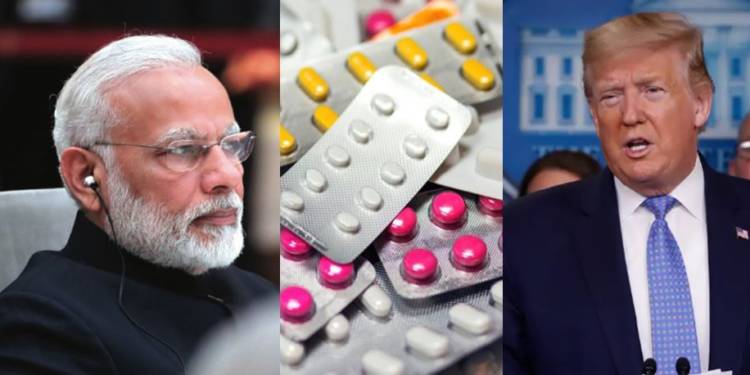
Now the question is that whether it was released because of the US pressure or on humanitarian basis. Well there is no conclusive evidence of HCQ treating COVID-19, as it is tested only on limited patients. People are not aware of the side effects. It slows down the heart rhythm, which results in time dilation between heartbeats that may lead to cardiac arrest. It is also not advisable for pregnant women and patients with high BP and sugar.
So, in my view, they should have waited for proper conclusive evidences from various medical agencies around the globe before administering it to COVID-19 patients. If we come out with some positive results of HCQ on COVID, India should still continue as the leading manufacturer of HCQ and it is unlikely that India will run out of the drug stock. I mean, lauded as pharmacy of the global South, India’s decision to export the drug on humanitarian grounds to neighboring countries and others that have been severely hit by the pandemic is a welcome gesture.
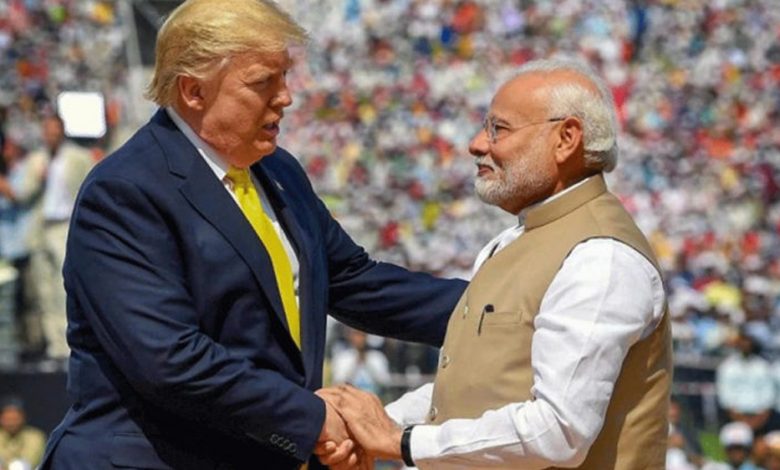
Till now India relied solely on other countries for test supplies and thus it may look to others for other essential materials if the situation worsens. Also, India has much to gain from the US in the future by this diplomatic act. But clearly more research work is the need of the hour to establish the efficacy of the drug.
Lifesaving drugs, with promise in Covid-19 treatment, are being synthesized by CSIR labs in collaboration with pharma majors. Inspiration from traditional medical systems is guiding the ministry of Ayush’s efforts. The idea is to not blindly copy anyone, but to take the best of what is available and by using universally-recognized scientific principles, modify it to local contexts and needs. We have bought ourselves time to prepare and have the scientific capacity to deliver. This war will be won by smart data-driven defense, coupled with strategic offence.
While the medical side defends with what they have, the research side must support them with what they need. Importantly, we must not take our eyes off the real solution — effective treatment and vaccines; developed in India for the world. We have the leadership to inspire and mobilize the public. Can science guide decisions to shape the public health response and to restart the economy? If we do this well, not only will we save grief to hundreds of thousands of Indians, but also contribute to global good and emerge a stronger nation.
Indian opposition leaders, including Congress leader Rahul Gandhi, have stated that there could not be retaliation among “friends”. “India must help all nations in their hour of need but lifesaving medicines should be made available to Indians in ample quantities first,” tweeted Gandhi.
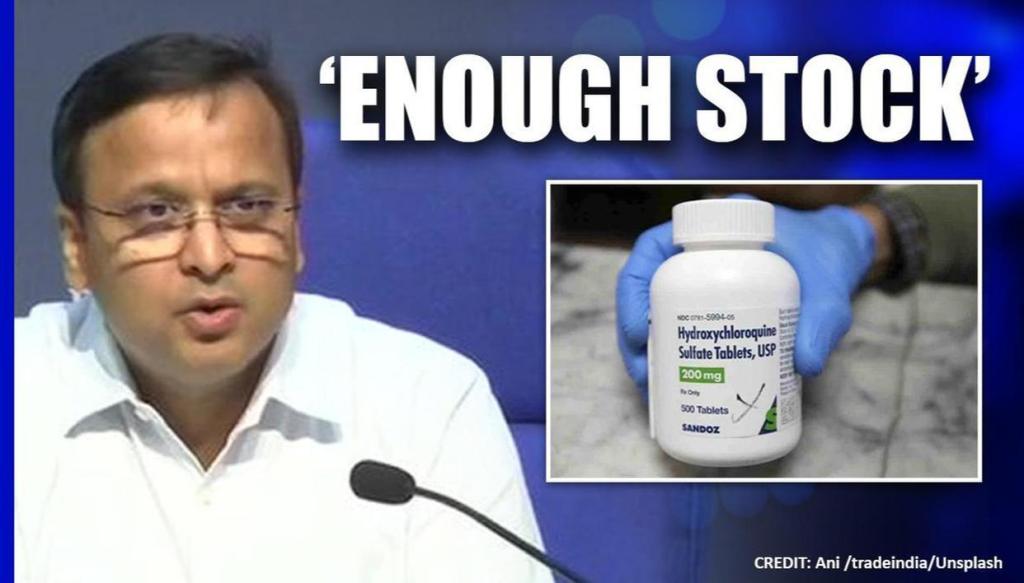
CEO of Indian Pharmaceutical giant Zydus Cadila, Pankaj Patel informed that industry has produced 20 crore Hydroxychloroquine tablets which is in high demand worldwide amid COVID-19 outbreak. According to media reports, details of HCQ and azithromycin will be available in the portal, and other medicines will be added later. The data shall be updated every day and information will be available district-wise. Officials have said that the IT platform will be monitoring the availability of the drug at distribution channels including C&F agents, depots, distributors, wholesalers and retailers. Additionally, notice has been sent to all drug sale license holders to register on the platform. The Ministry of Health and Family Welfare said that the government has more than enough stock of Hydroxychloroquine (HCQ) for meeting the current requirement. It said that the Centre has done proper preparation and planning with respect to current and future requirements of HCQ.
Economic liberalization has incapacitated the government to respond to emergencies based on credible information. The logic and policies of economic liberalization seriously undermined the manufacturing capabilities of health products in India. The resultant loss of manufacturing base has affected the ability of many governments, including of developed countries, to put up an effective response to the crisis. We can clearly see that the overwhelming objective of private sector-led economic growth has proved to be disastrous. In the name of economic efficiency, India allowed unconditional imports of several products and never took note of the dangers of dependency, which is affecting us now and also various other countries in the world. So basically a virus has made us rethink our obsession with the economic efficiency theory.
All I can say is that in this crisis, our political leaders are grasping at straws and encouraging hope. When faced with a national medical crisis such as a pandemic, I encourage our leaders to defer to the medical and scientific experts who have the knowledge, skills and training to save lives — and to not encourage unnecessary or unfounded risks with our lives and our safety.
Archit Srivastava
Student
Indian & World Politics
WELCOME BACK GUYS TO WP REPUBLIC.
I would like to welcome you all and let you know that I appreciate you, spending time here at the blog, very much.Everyone is so busy, and life moves fast, so I really do appreciate you taking time out of your busy day to check out my blog! Thanks.
Another thing I will always appreciate is your feedback to the blog. If you have any comments or suggestions, I welcome them and would love to hear them. Always. Not that all criticism is a fun thing, but I think a criticism provided in an honest positive manner is something we can all learn and grow from, if we are open to hearing it. I will always listen to your ideas. So, I welcome your suggestions for the blog, and guys, one more thing that I would like to add is PLEASE DON’T FORGET TO PRESS THE LIKE OR DISLIKE BUTTON.I would like to make sure that the intention behind writing this blog is academic knowledge and bringing clarity to same. Credit Goes to the articles, editorials and lectures of various teachers which I have gone through to have a clarity on this topic.
The Coronaviruses are a large family of viruses that can infect humans or animals. Basically, there are 7 known types of coronaviruses. The genetic material present inside it, is a single stranded RNA (SS-RNA), and the mutation rate is very fast as far as RNA is concerned, which is the primary reason as to why vaccines related to this virus are yet to be discovered. First 4 types of CoV (229E, N263, OC43, and KHU1) are common and cause mild to moderate respiratory infections like the common cold. Two types i.e. SARS-CoV and MERS-CoV can cause severe respiratory infections. The current type is the 7th type known as the novel coronavirus as this is a new CoV strain that has not been previously found to affect human beings.It is now named SARS-CoV-2 and the disease caused by this virus is named as COVID-19.
In December 2019, WHO had declared an outbreak of a febrile respiratory illness of unknown etiology from Wuhan, province of China. The outbreak was epidemiologically linked to the Wuhan Seafood wholesale market involving the sale of seafood and live animals. It has now spread to almost countries of the world. W.H.O has declared the outbreak as,” Public Health Emergency of International concern.” The main problem surrounding this outbreak is that thisvirus is highly contagious which has its origin from Wuhan animal market.
Little is known about the novel corona virus (SARS-COV-2), which currently has no vaccine. In accordance to senior health officials in the Indian Council of Medical Research (ICMR) this virus has the potential to cause severe illness and pneumonia. It primarily spreads through the respiratory droplets of infected people. If a person touches a surface or object that has been infected by the virus and then touches his own mouth, nose or eyes he may get affected. Symptoms of COVID-19 appear within 2 to 14 days after exposure and include fever, cough, a runny nose and difficulty in breathing.
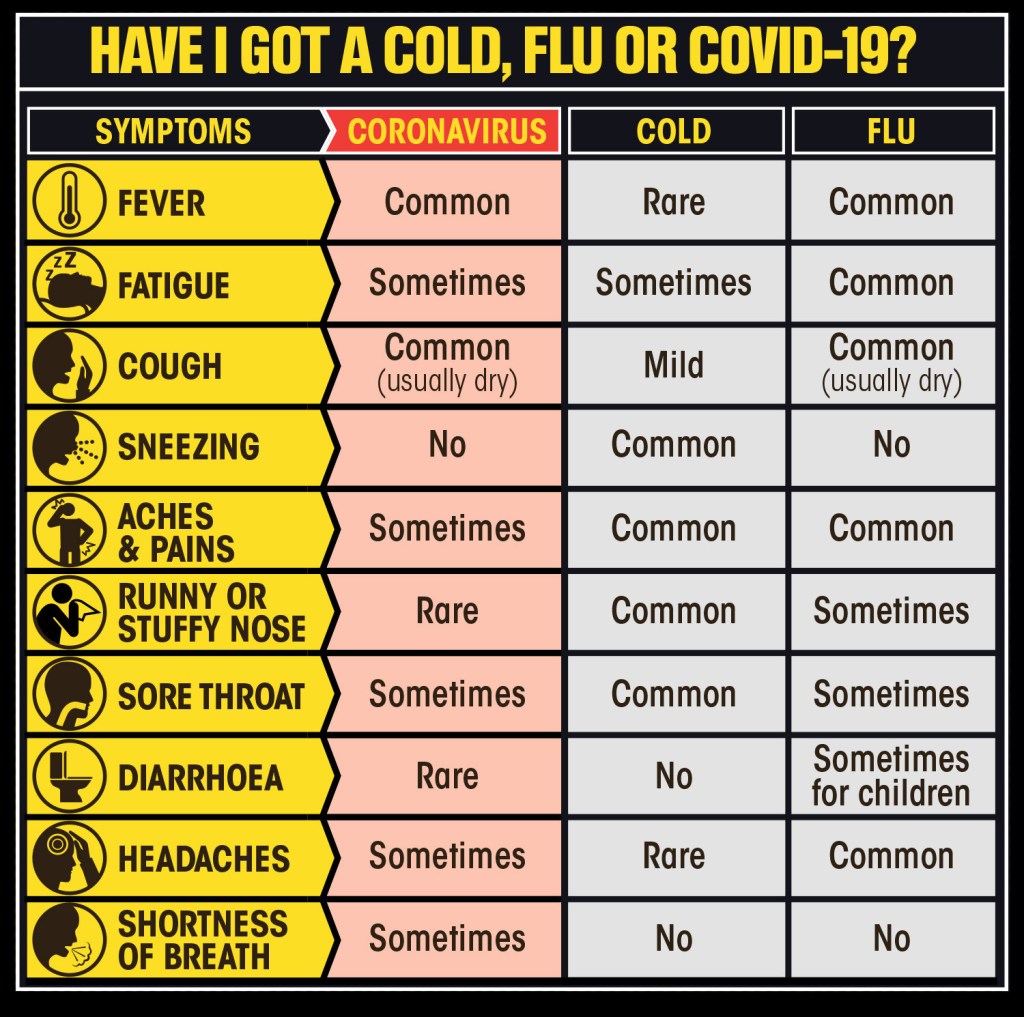
In his opening remarks at the March 3 media briefing on Covid-19, WHO Director-General Dr Tedros Adhanom Ghebreyesus stated: “Globally, about 3.4% of reported COVID-19 cases have died. By comparison, seasonal flu generally kills far less than 1% of those infected.” The initial data provided by W.H.O is as follows-
3.4% Mortality Rate estimate by the WHO as of March 3
Mortality Rate in China as of Feb. 20 (3.8% nationwide, 5.8% in Wuhan, 0.7% other areas)
Mortality Rate in China as of Feb. 4 (2.1% nationwide, 4.9% Wuhan, 3.1% Hubei, and 0.16% other provinces) reported by the NHC of China
Study providing a tentative mortality rate of 3%
Death rate among patients admitted to hospital (HFR): 15%
Days from first symptom to death: 14 days
It said that we must avoiding touching our face as far as possible. It is spreading through air droplets only when you are coming in close contact with the infected person. Therefore, masks are advisable only to those persons who are feeling sick.
Let’s try to understand that why this virus is spreading too easily among people. The new virus spreads much more readily than the one that caused Severe Acute Respiratory Syndrome i.e. SARS and has infected more than ten times the number of people who were affected by SARS. To infect a cell,coronavirus use a “spike” protein that binds to the cell membrane. Genomic analysis of the new coronavirus has revealed that its spike protein differs from those of its close relatives and suggests that the protein has a site on it which is activated by a host cell enzyme called Furin, which is found at different spots in human tissues.
Furin is a protein that is encoded by the furin gene. Now this is significant because furin is found in lots of human tissues, including THE LUNGS, LIVER and SMALL INTESTINE, which means that the virus has the potential to attack multiple organs. This was explained by LIHUA, a structural biologist at Huazhong University of Science and Technology in Wuhan China. This finding could explain some of the symptoms observed in people with the coronavirus, including LIVER FAILURE. Since it is hitting multiple organs, we are finding it difficult to discover a suitable vaccine for it.Vaccines against pneumonia, such as pneumococcal vaccine and Haemophilus influenza type B (Hib) vaccine, do not provide protection against the new coronavirus. The virus is so new and different that it needs its own vaccine. Although these vaccines are not effective against 2019-nCoV, vaccination against respiratory illnesses is highly recommended to protect your health.
Coronavirus, bird flu, swine fever: Why China is still so susceptible to disease outbreaks? Why China continues to be a favorable birthplace as far as these viruses are concerned?
Let’s try to understand it. Initially the coronavirus was not spreading human to human. It actually started from animals most commonly bats. From bats it got transferred to other animals such as pangolins and from the pangolins it reached to humans. The Huainan seafood market in Wuhan has been widely considered the source of the outbreak of a novel coronavirus. This market is basically an animal market where the animals are sold either live or dead for human consumption. It is one of the largest wet markets in the world. The main problem is that here the animals are stalked layer by layer and then they are washed under unhygienic conditions. So basically, these water droplets which are coming down layer by layer are spreading the virus. Now if it is used it for human consumption then obviously it would be transferred to humans, and if that humans comes in contact with other humans (close contact) it gets transferred.
In November 2002, a form of a typical pneumonia called severe acute respiratory syndrome (SARS) began spreading rapidly around the world, prompting the World Health Organization (WHO) to declare the ailment “a worldwide health threat.” At the epicenter of the outbreak was China, where the outbreak of SARS infected more than 5,300 people and killed 349 nationwide (Ministry of Health, 2003). History is full of ironies: the epidemic caught China, at first, unprepared to defeat the disease 45 years after Mao Zedong wrote “Farewell to the God of Plagues.”
The SARS epidemic was not simply a public health problem. Indeed, it caused the most severe socio-political crisis for the Chinese leadership since the 1989 Tiananmen crackdown. Outbreak of the disease fueled fears among economists that China’s economy was headed for a serious downturn. A fatal period of hesitation regarding information-sharing and action spawned anxiety, panic, and rumormongering across the country and undermined the government’s efforts to create a milder image of itself in the international arena. The obvious question is that when the SARS happened in 2002,
Why didn’t the Chinese government took any major preventive step for future? Why didn’t they learn any lesson from it? Inspite of the decision to shut down this market, why it is still running?
The primary reason behind this is the huge lobby of the farmers and the animal traders which pressurizes the government to let them run this market. The government too acted leniently as it was playing a major role in the GROWTH OF THE CHINESE ECONOMY. The question is why so many viruses originate in China, and mind you, the consumption of different animals is certainly not an appropriate answer to it. The root cause isthe flaws inthe policies of the Chinese government. What happened is, to counter the great famine, which was caused by a combination of social pressure, economic mismanagement, radical agricultural changes in regulations imposed by the government organs, and natural disasters, the Chinese government focused on animal rearing to boost agriculture.
The problem started when they decided to include the rearing of wild animals. In its Article 3 it says that wildlife resources shall be owned by the state. The state protects the lawful rights and interests of units and individuals engaged in the development or utilization of wildlife resources according to the law. Now slowly this wildlife farming industry started to grow and with the support of the government its market started to emerge. Soon the wildlife industry started to sell these different varieties of wild animals in the wet markets for consumptions. The government was happy and ignorant as they saw it as a major helping hand in boosting the Chinese economy. There were also talks that most of the animals were used for medicinal purposes. Now as soon as they reached the wet markets, they came in contact with the humans.
See, normal animal rearing is not an issue at all, but once these wild animals came in contact with other animals in the wet market, it started causing problems.Also these exotic animals can be afforded mostly by the rich and elite classes, thus because of them the demand of these exotic animals increased in the markets, majority acting as hosts for these kind of viruses, and also because of the pressure which these classes were putting on the government, it was not able to close these wet markets permanently from the last outbreak back in 2002. So, one should not blame the lower classes in China for spreading these kinds of viruses as they can hardly afford these exotic animals. It is only this rich and elite class who can afford it, so basically it is the contribution of the rich as far as this issue is concerned.If you blame Xi and Chinese communism, the chain of causality may be just too long and tenuous. But if you blame the guy standing next to you, why not blame the supermarket for forcing people to queue so long to pay, or other shoppers for panic buying?
China and the U.S. blame each other for the coronavirus. But both countries made similar mistakes.
America has become the worst affected country by Coronavirus since it is now the country with the highest number of COVID-19 cases. Why is that happening? Why are USA and China engaging in politics with each other regarding the coronavirus? And is Coronavirus a biological lab experiment done in China? US President Donald Trump seemed to cast doubts on the COVID-19 numbers emerging from China. Responding to a question on US crossing China in terms of numbers of cases, Trump said that that is a result of the extensive testing being done and added ‘you never know the numbers in China. There are some serious questions which China needs to answer.
Remote causes, proximate causes, underlying causes … all of them add up to hundreds and thousands and perhaps millions of interactions and influences, and you would need a supercomputer, or God, to work out who is to blame for what.But in the end, most of us are not in the blame game for scientific precision. Rather it’s to satisfy petty desires, an ideology, a personal hatred or distaste, or blind prejudice. That’s human nature.
In accordance to the data provided by the WHO as on March 21, 2020, 277310 PEOPLE COME UNDER THE INFECTED CATEGORY, 11431 PEOPLE ARE DEAD AND MOST IMPORTANTLY 91994 PEOPLE HAVE RECOVERED. WHO has also reported that 80% of COVID-19 cases show only mild symptoms? Your body might take on an average 5 to 6 days to show symptoms which is the main problem as if you are asymptomatic- you may still be contagious. This is the primary reason as to why COVID-19 is spreading so rapidly.
India has evoked the EPIDEMIC DISEASES ACT, 1897 in all states and union territories. On March 11, 2020 it was decided in a cabinet secretary meeting that all states and UTs’ should invoke provisions of Section 2 of Epidemic diseases act 1897, so that Health Ministry advisory are enforceable. Section 2 empowers the state government to take special measures and formulate regulations for containing the outbreak. Section3 of this act provides for penalties for disobeying any regulations or orders made under the act. These are according to Section 108 of the IPC.
Public health is a state subject issue under the 7th schedule. Right to health is a universal declaration of human rights, which is also our fundamental right under Article 21. Article 21 reads as: “No person shall be deprived of his life or personal liberty except according to a procedure established by law.” This right has been held to be the heart of the Constitution, the most organic and progressive provision in our living constitution, the foundation of our laws. People talk about privacy.
In such cases or diseases there is a type of social stigma attached to it, which is a major problem and is needed to be resolved ASAP. If your name is somewhat associated with this disease your privacy may get affected, there might be your social boycott. In certain cases, the judges are not bound to disclose the names of the victims under section 228-A of IPC 1860, Section-34 of the HIV and AIDS (Prevention and Control) Act, 2007. This is all done to see that your fundamental rights are not violated.
So, fearing this social stigma, the victims of COVID-19 are somewhat hesitating to disclose it. They are not ready to cooperate with the authorities thinking that their privacy could somewhat get affected. They need to understand that this matter is now of public concern. Since this disease is highly contagious it is high chance of you of spreading it. So, you need to come out and cooperate with the concerned authorities so that others remain safe and healthy. But if you are thinking that you will not cooperate with the state and you can use your legal remedy in case of violation of Article 21 then you are completely mistaken.
The Supreme Court in one of its verdicts had said that RIGHT TO LIFE IS BIGGER THAN ANYTHING. You need to understand that you cannot enforce Article 32 as it is the case of public emergency. Common good of the society shall always prevail, i.e. SALUS POPULI SUPREMA LEX. There are different sections in the Indian judiciary in section 268-273 talks about offences affecting the public health safety, convenience and morality. So, if you are planning to go to the court don’t be surprised if the court hits back at you!
Let’s try to understand the different measures taken by The Indian Government to counter COVID-19.
Universal screening for coronavirus is currently being done at 30 airports having international operations. Airlines have been instructed to make in- flight announcements about COVID-19 and all international passengers are being asked to fill the “SELF REPORTING FORM” in duplicate. Those picked out through thermal screening are being sent for further tests and isolation, and treatment if necessary, to designated hospitals. In the hospital there COVID-19 symptoms are being matched and the country from where he comes from is investigated. Isolation is advised for a period of 14 to 21 days when the case samples of the suspected person are sent for testing. If he tests positive, he is sent for treatment and all his contacts are then traced. The test results of COVID-19 are obtained in 4 to 5 hours.
India is following WHO prescribed guidelines to detect, treat, and contain the virus. One should be cooperative with the government, if not, then you are endangering yourself only. People who are symptomatic especially those individuals who have returned from affected countries or have had close contact with confirmed positive cases of COVID-19. Health officials said that hands must be washed regularly and thoroughly cleaned with an alcohol-based hand rub or soap & water. A distance of at least 1 meter must be maintained from a person coughing or sneezing. If a person has fever, cough and experiences difficulty in breathing, medical attention should be sought at once.
The Ministry has designated District Collectors as the nodal officer for containment operations. States have been guided in terms of identifying the containment zone, buffer zone, and preparation of a micro plan to ensure effective, active, and passive surveillances and contact tracing through inter-disciplinary teams in the areas where cases are located. A 24- hour seven-day control room is operational with call centre number- 011-23978046. India needs to take some more serious steps.A limited lockdown doesn’t work because Covid-19 is an extremely contagious and transmissible virus. It spreads very easily through droplets, sneezing or contaminated materials. A complete shutdown of movement will prevent and reduce the viral transmission dramatically, which will give time for the government to prepare the healthcare infrastructure to manage the dramatically increased patient load.
In Italy, it’s not just the virus killing patients, it’s the deluge of patients which overwhelms the hospitals and forces doctors to decide who should be saved and who should be left to die. Lombardy has the most advanced healthcare system in the world and even they couldn’t ventilate elderly patients with respiratory distress. Lives could have been saved if the hospitals had time to prepare.
If we don’t completely shut down now, we’ll be forced to shut down after a month when the number of cases explodes – just like in China, Italy and Spain. Today, people have got their salaries and grocery shops are well stocked. They will be able to manage a lockdown with some difficulty. But if we lock down a month from now, citizens will be demoralized due to devastation caused by the virus, no money in the pocket, and expensive food.China was overwhelmed because of an unprecedented surge and a refusal to acknowledge the spread of the disease.An Imperial College study predicted 12 lakh deaths in the US, 5 lakh deaths in the UK and 35 lakh deaths in India if Covid-19 is allowed to spread unchecked. But India can conquer Covid-19 by flattening the curve and setting an example for rest of the world to follow. Thanks to our government’s progressive policies, we have the largest number of young skilled doctors, nurses and technicians. We can liberate their full potential by empowering them and providing them with the necessary tools. Let’s not become like Italy, which had to import 300 Chinese doctors to manage their ICUs.
PM Modi appealed all the citizens of India to stay indoors from 7 AM till 9 PM on March 22 to reduce the risk of spreading the deadly virus, which has now resulted in 5 deaths in the country thus calling it THE JANTA CURFEW.PM Modi also requested citizens to stand at balconies and near windows on Sunday evening to clap, ring bells to admire the emergency personnel and sanitation workers who are at the frontline in the fight against Covid-19.
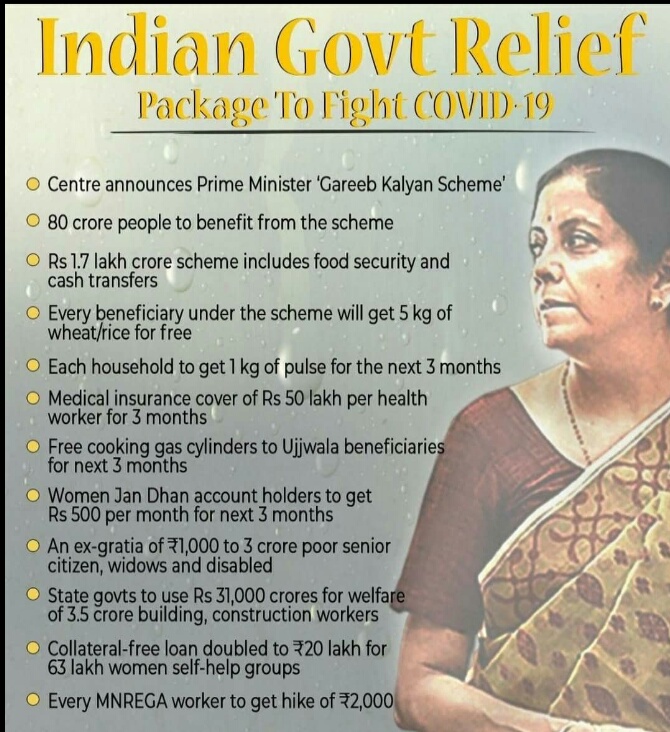
Frankly speaking I was not personally convinced by this move. I mean there several other ways by which the government can thank the emergency personnel and sanitation workers, the primary one being is by giving incentives to them and offering other perks. You can thank the front-line workers and expresses your gratitude to doctors, sanitary workers, Paramedics, by announcing an insurance cover for them.Government should work to help those affected, especially migrant workers. We have come with a welfare package to help poor and the ones who need immediate help
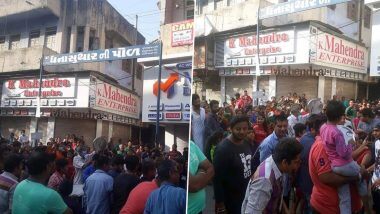
Although the Janta curfew was a perfect move on the part of the government, but it would still be a failure if the people themselves don’t’ realize the importance behind it. I could see people coming out in groups on streets to admire the workers. It was good to see their enthusiasm but seeing them doing foolish things ruined it all. Some Gujratis were even performing their trademark garba on the streets to admire the emergency personnel. Many were celebrating on the streets, shouting, GO! CORONA GO! Is everything a joke to you all? I feel you all are literate enough to understand the current scenario.
See the difference between section 144 and the janta curfew is quite simple, in the latter you will be able get your daily essentials, but if the former is applied, it means total shut down. So, I think one should try to understand the importance behind the application of the Jantacurfew and should not indulge oneself in such activities which would force the government to use section 144, as it would only worsen the situation.
Remember, we don’t have world class healthcare facilities, so if the case of COVID-19 INCREASES IT WOULD BE VERY DIFFICULT TO SUSTAIN IT.
Countrywide lockdown has been issued in many of the affected countries like Italy, Spain and France. China started the lockdown in Wuhan, from where this virus has originated, and has been able to control the spread of the cases drastically. A lockdown stops the movement of people and cuts down on the COVID-19 spread. This doesn’t happen by the choice of the people; it is usually government enforcement to slowdown the constant flow of people.
On March 24th, 2020 the Indian Prime Minister Announced21-day lockdown for the entire country, thus putting 1.3 billion people on full lockdown for 21 days to curb spread of coronavirus, as THE JANTA CURFEW DIDN’T SOLVED THE PURPOSE. In this address, PM Modi explained that for 21 days, people will not be allowed to step out of their homes. Prime Minister Modi had addressed the nation last week too and had urged the people to practice social distancing to stop the spread of highly contagious coronavirus in India. Prime Minister Narendra Modi on Tuesday announced complete lockdown in India for 21 days (three weeks). He said that the only way this country can fight coronavirus is social distancing. He urged people to stay indoors. The Prime Minister also said that social distancing is not only for sick people but also for all members of the family.
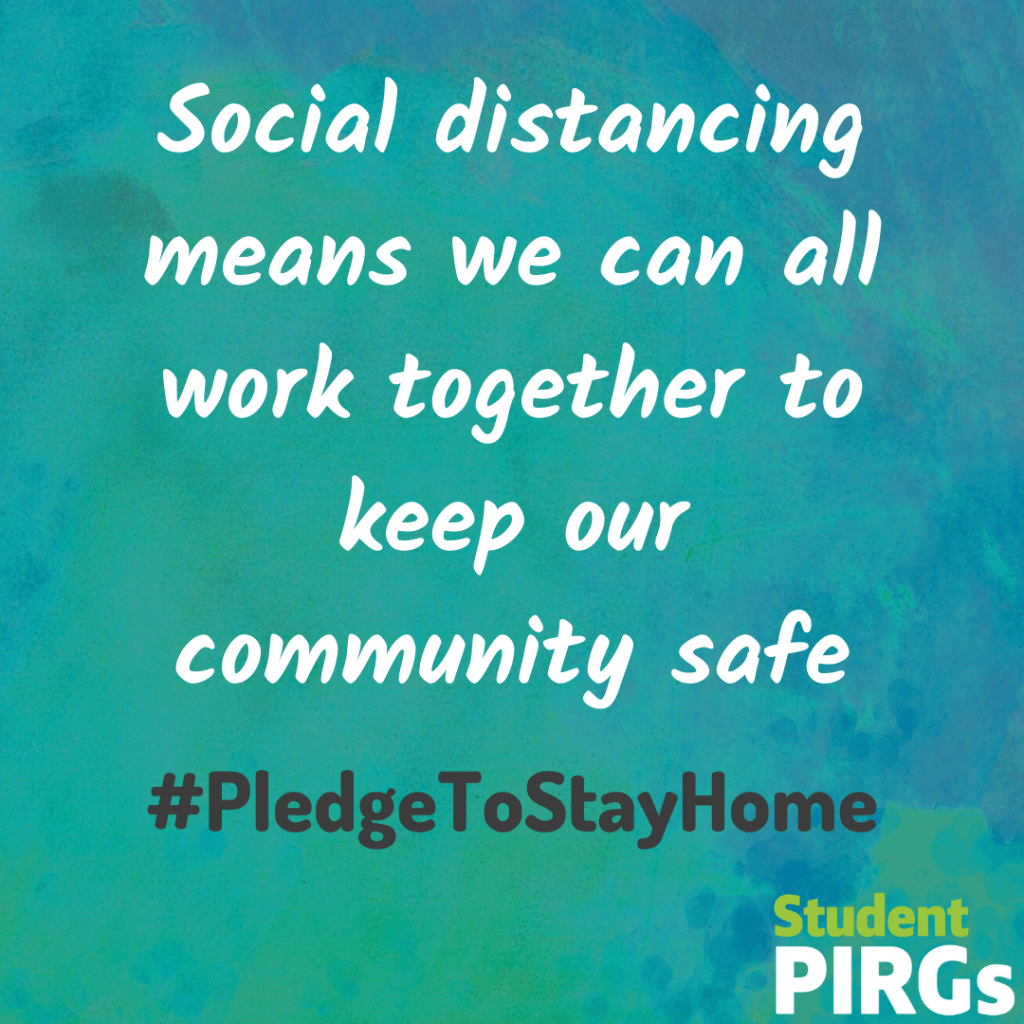
The conclusions drawn from the two-month study of all the affected countries that the only option for effective combat against Corona is – Social Distancing. – Some people are under the misconception that social distancing is only necessary for sick people. It is not right to think. Social distancing is for every citizen, for every family, for every member of the family. Some people’s negligence, some people’s wrong thinking will throw you, your children, your parents, your family, your friends, in a lot of trouble. To save India, every citizen of India is being banned from 12 o’clock tonight, on exiting homes, completely. Every state in the country, every district, every village, every town and every street-locality are now being locked down.
The coming 21 days are very important for us. According to health experts, at least 21 days time is very important to break the corona virus infection cycle. Stay at home, stay at home. His decision of a countrywide lockdown has drawn a Lakshman Rekha at the door of your house. Remember the coronavirus first took 67 days to get one lakh people infected and then it reaching 2 lakh people only took 11 days. It’s even more frightening that from two lakh infected people to three lakh people, this disease took just four days to reach. Therefore when the corona virus started spreading in China, America, France, Germany, Spain, Italy and Iran, the situation became uncontrollable.
IN SIMPLE WORDS THE JANTA CURFEW WAS THE FIRST STAGE OF PROHIBITION BY THE GOVERNMENT, AND THE ANNOUNCEMENT BY PM MODI ON 24TH MARCH WAS THE SECOND. SO, IF WE CONTINUE TO DISPLAY OUR STUPIDITY AND STILL BE IGNORENT, MIND YOU, THE GOVERNMENT WILL NOT HESSITATE IN IMPOSING STAGE 3 WHICH CAN BE VERY SEVERE AND CAN MAKE THE SITUATION WORSE FOR OUSELVES ONLY. SO KINDLY COOPERATE WITH THE GOVERNMNET AND KINDLY STOP DIGGING YOU OWN GRAVES. THE AUTHORITY CAN ALSO BLOCK YOUR INTERNET USING SECTION 144 OF THE CRPC, SO PLEASE UNDERSTAND AND STAY INSIDE.
Some think that Section 144 and curfew are the same, but it is not. Section 144 is used to impose a curfew, Section 144 in general prohibits public gathering and on the other hand, CURFEW ORDERS PEOPLE TO STAY INDOORS FOR A SPECIFIC TIME. So, this will only make the situation worse, so kindly follow the orders of the government. Also, we can say that Section 144 of CrPc halts mass gatherings, but it does not control it. A curfew on the other hand is a larger action taken to control the grave situation. You need permission to move out during a curfew. You must remember that during a curfew your essential services can also be curtailed. Recently a read an interesting article
You can also be punished in case you are found, violating the government’s order. As per IPC 269, which is about acting carelessly to endanger the public health and life, you can face a 6-month imprisonment which can be extended to 2 years. The Epidemic Diseases Act, 1897, empowers the state government and the central government to take measures as may be warranted or necessary to control further spreads of disease.
Other sections which can be imprisoned on you are Section 188 and Section 270 of which the latter is quite severe.
You can do thousands of things while staying in quarantine. You can have a roommate meeting about how to be more considerate of one other, especially while you will likely be spending more time together. Bring baked goods. You can watch the films that won Oscars for best picture, or films that won Independent Spirit Awards for best picture. Watch films that critics say should have won those awards. Use Skype, Face Time, and Google Hangouts to video chat with your long-distance friends. Try out at-home aerobics or yoga videos. Consider downloading a fitness app with curated workout playlists. Look at yourself in the mirror. Attempt a self portrait with pencil and paper. Take a bubble bath (bonus: Add a glass of wine).Interview your grandparents (over the phone, of course) and save the audio. Can you create an audio story or book with that file? Go through your camera roll, pick your favorite pics from the past year and take a photo book or order framed versions online. Go on a health kick and learn how to cook new recipes. Create a Google document of shows or movies you’re watching and share it among family and friends. Make a list of things for which you are grateful. Work on your financial planning, such as exploring whether to refinance your loan or ways to save more money, I mean there are several things which you can do.The government can run various old programs on the television including The Ramayana and Mahabharata; I mean let’s go back to the 90’s where everything was running smoothly.
People also thought that coronavirus stays in atmosphere for 14 hours, so the curfew for 14 hours will remove corona from all surfaces and that everyone will be free to move about without any precautions, which is totally false. Infact the persons who already got infected will also start to roam around and would start to infect their surroundings, only to make the matter worse. So, in my view if we must get it away from our country, curfew should be kept for at least 14 days as in Italy and Spain. Also, after years of trolling, toxicity, fake news and stupid viral videos, the social media is finally coming back to its original purpose: Connecting People. COVID-19 HAS SHOWN THE WORLD WHAT IT REALLY MEANS TO GO “VIRAL”.
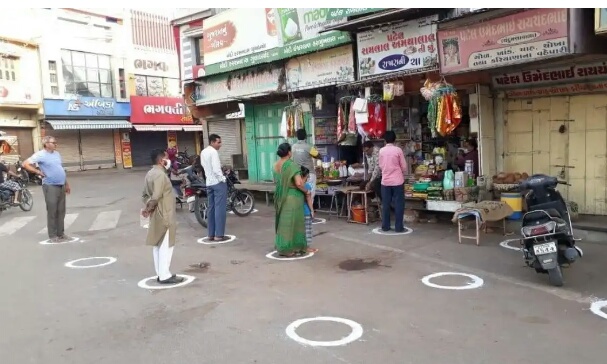
Things are not going smooth as far as the state of Uttar Pradesh is concerned. A bollywood singer threw a high profile party after returning back from London. The party was attended by various high political leaders, including BJP MP Dushyant Singh and his mother, former Rajasthan Chief Minister Vasundhara Raje. Dushyant Singh has since attended parliament and even met President Ram Nath Kovind, sparking fears of a high-profile trail of infection. Questions have been raised over the presence of several high-profile political leaders at this party, particularly at a time when Prime Minister Narendra Modi has urged people to stay at home in order to halt the transmission of the viru. Most importantly it was attended by the Health minister of Uttar Pradesh Mr Jai Pratap Singh. It’s a very shameful act as far as UP Government and specially on the part of Mr Singh as being the health minister his primary duty was to stop such function rather than being a part of it himself. I personally feel that they should learn something from the Delhi government. Also the U.P. govt.’s move to proceed with the Ayodhya ‘mela’ defies WHO guidelines and its own advisory. Tradition cannot be allowed to override public health, especially when it cannot be guaranteed that the number of people congregating can be reduced or precautions instituted. More so when the virus in question is highly infectious, while India’s healthcare system is weak and cannot take a frontal assault by the virus if hundreds of people manifest serious symptoms. There have been several recent instances when large gatherings have had disastrous consequences.
While initially the numbers of COVID-19 cases were increasing at a slower pace in India compared to many other countries, things have taken a turn for the worse since last week. With several new cases on, India’s climb has become steeper. Despite this rapid climb, the growth in cases is still lower than many Western countries at this stage. However, India’s testing rate continues to be comparatively poor.
There have been several myths around the disease, like consuming more garlic, curry leaves or cow’s urine would treat or protect one from the disease. The World Health Organization has busted such misleading claims. On garlic, WHO said it is a healthy food that may have some antimicrobial properties but there is no evidence that it has prevented people from contracting the 2019 nCoV. From the evidence so far, the COVID-19 virus can be transmitted in ALL AREAS, including areas with hot and humid weather. Regardless of climate, adopt protective measures if you live in, or travel to an area reporting COVID-19. The best way to protect yourself against COVID19 is by frequently cleaning your hands. By doing this you eliminate viruses that may be on your hands and avoid infection that could occur by then touching your eyes, mouth, and nose.
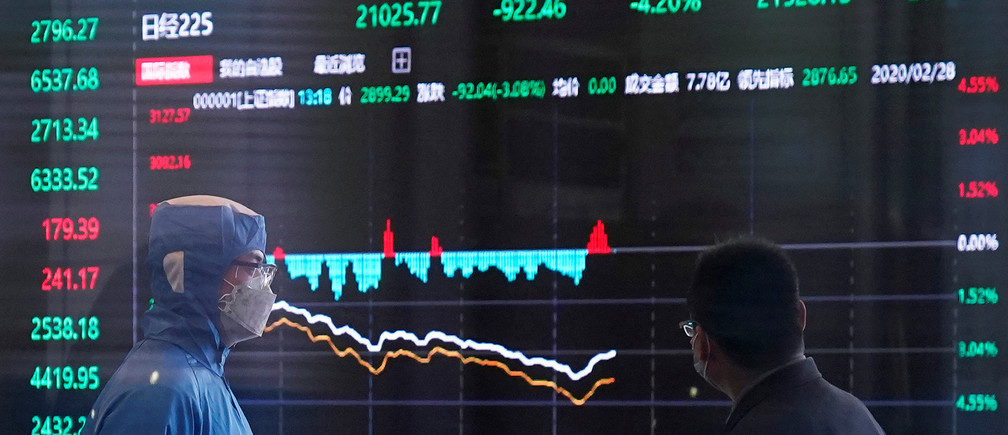
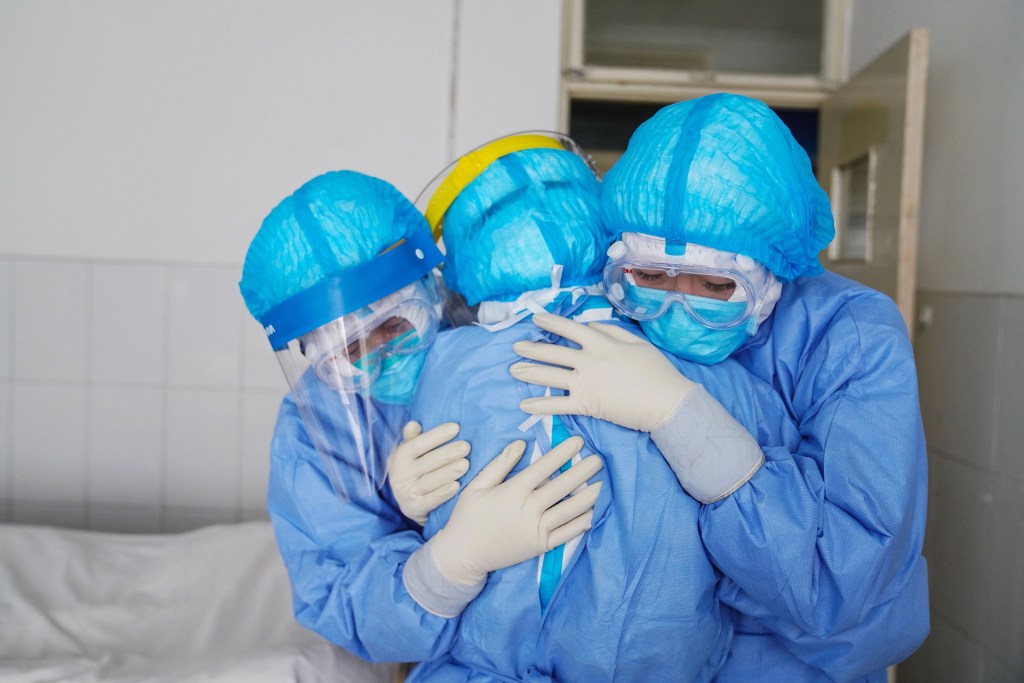
Also, there is a bit of concern as far as Indian doctors are concerned. Media reports say that doctors even in AIIMS are using masks and sanitizers made by them or buying them. There is already a shortage of Personal Protective Equipment (PPE) and doctors are worried. Amidst COVID-19 there are signs of rising anxiety amid a dramatic nationwide lockdown, with scenes of panic buying and targeted harassment of doctors and other frontline workers.
Medical staffs in the national capital New Delhi say they have been ostracized and discriminated against by their communities due to fears that they may be infected after working with coronavirus patients. Some doctors have even reported being evicted or facing threats that their electricity will be cut off.
While the world is still fighting a solution to skip PANDEMIC CORONA VIRUS, CHINA has already found another deadly virus named HANTA VIRUS. As reported, a man in China’s Yunnan province was tested positive and hours later, he died. In accordance to the centers for Disease Control and Preventions (CDC), THE HANTA VIRUS is a family of viruses which are spread mainly by rodents and can cause varied diseases in people. It can cause HANTAVIRUS PULMONARY SYNDROME (HPS) and HAEMORRHAGIC FEVER WITH RENAL SYNDROME (HFRS). The disease is not airborne and can only spread to people if they come in contact with urine, feces, and saliva of rodents and less frequently by a bite. In China the death has been through HPS in which there is a respiratory illness. There have been sporadic cases in India as far as this virus is concerned. In 2008, the hanta virus struck through irulas, a group of snake and rat catchers. In 2016 a 12-year-old in Mumbai had died of the Hantavirus infections.
Early symptoms include fatigue, fever, muscle aches, along with headaches, dizziness, chills and abdominal problems. If left untreated, it can lead to coughing and shortness of breath and can BE FATAL WITH A MORTALITY RATE OF 38%, ACCORDING TO CDC. Thus, we can clearly see that IT CAN BE MORE FATAL THAN COVID-19 WHAICH HAS CAUSED A HAVOC WITH MORTALITY RATE OF JUST 3 TO 4 %. Also, the diagnosis is quite difficult in this case as the symptoms can be confused with influenza much like the coronavirus symptoms. There is no specific treatment other than medical care and ICU, where oxygen therapy can help with respiratory distress: which means that the earlier the patient reaches the ICU the better it is. The only prevention we can follow is by minimizing contact with rats at home or work. So basically, we should clean up properly and use pest control.
CONLUSION
Leaders must keep calm and show strength; to keep the countries together. Yet, at the same time, their response can’t be guided by ignorance. Most of our knowledge of Corona is just two weeks old. However, two weeks seem a lifetime for Corona. We must learn from the mistakes and successes of China, Italy, and Korea; and learn very fast, we only have one chance. They say India will probably not see the worst of the infection, or we will be able to get away just by hand washing. Please don’t be delusional; all the countries of the world are on the same path. It takes for any infection, a specific time, and a minimum no of infected people to start a chain reaction, and once that happens, there is no stopping it. The time from the first infection to the thousandth, from first death to the thousandth, is the same in each country, not even a single exception. India is where Italy was three weeks back and the USA was ten days back. We all are on the same path. After a threshold of 200 diagnosed cases and ten deaths, infection doubles every third day. People show signs of fever after ten days of incubation, while they are still infected from the first day. At most ports of entries internationally, screening is only for the fever. Only symptomatic come in hospitals to get tested. That too if we have enough testing kits. We are no different than the world; we have no alternative; no country has that many testing kits to check every single individual.
Well, one country just did that, what can we learn from them.
South Korea is the only country that tested asymptomatic under thirty; they were positive for the virus, yet no fever or other signs. And the death rate is nearly zero in this population group.
Fewer than thirty or even under forty populationsare infected much more than our current estimates. The focus should be on the transmission from young people with a mortality rate of near-zero to those above 50. Above 50, the mortality rate rises exponentially from .4% to 7.2% in people older than 80. That’s why 350 people died in Italy in the last 24hrs. Two third of us will get infected today, next month or in a year. We have no immunity to it, and no one can escape it. No vaccine will come before one year. Out of each hundred infected people, twenty will end up in the hospital and up to ten in ICU. Out of each hundred!!
The overall death rate is 1%, but with a well-functioning health system. In an overburdened system like Delhi, with only 8000 ICU beds, serving a population of 20 million, the death rate can be ten times, 10%, even more, especially in above 60. While most of those younger than 30 will get an episode of viral fever.
In this emergency, many steps must be taken against popular opinion. Everywhere the governments are being too cautious in taking the necessary steps, just to avoid the political fallouts. Soon the government will run out of options, and we will blame them, without realizing, they didn’t bring the virus, they didn’t build the poor healthcare infrastructure in the last sixty years. Our criticism will only tie their hands further and lead to policy paralysis.We need to stand with our national leaders and tell them, “Take as hard decisions you need to take, bring the nation to stand still, but make sure we don’t lose millions of lives. And we will never judge you for failing if you try your very best.”
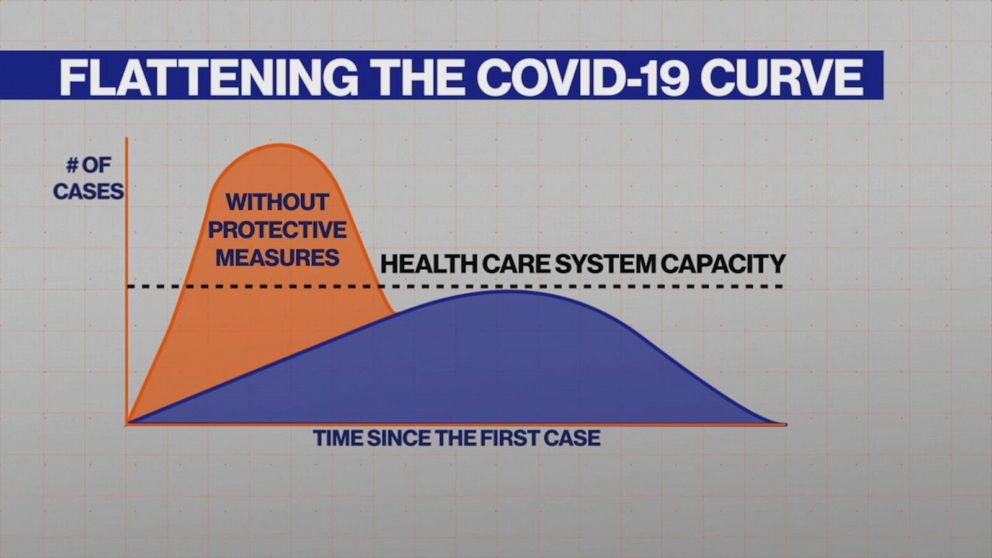
Leaving the public health aspect apart, the true economic impact of such a global epidemic cannot even be imagined. Sectors such as tourism travel and entertainment could be devastated beyond measures as would be the fate of millions of informal workers. It could have a significant dent on the Indian Economy. So Please STAY AT HOME AND STAY SAFE AND LET’S FLATTEN THE CURVE.
ARCHIT SRIVASTAVA
STUDENT
INDIAN & WORLD POLITICS

Rape accounts for about 12% of all crimes against women in our country. India’s average rate of reported rape cases is about 6.3 per 100,000 of the population. But the problem about rape cases is that about 99% of the cases of sexual violence go unreported which makes it difficult to estimate the actual number of rape cases in our country. These stats make it horrible for a woman to live in such an environment where she can’t even breathe by her choice. Nirbhaya” is the pseudonym used for the rape victim of the infamous 16 December 2012 Delhi gang rape incident. On just another chilly December night in Delhi, Nirbhaya and her friend were returning from a movie theatre, they were waiting for a bus. One of the would-be culprits convinced them to get on an empty bus with tinted windows. They were assaulted by six males, one of whom was a minor, aged 17.
The friend, when he tried to protect Nirbhaya, was beaten up by the perpetrators. Nirbhaya was not just sexually violated; her body was mutilated beyond human imagination. Her intestines were pulled out, and private parts mutilated. She later died of multiple organ failure, internal bleeding and cardiac arrest on the 29th of December.
The Nirbhaya rape case startled the whole nation. The whole state protested and asked for “Justice for Nirbhaya”. People gathered at India Gate and Jantar Mantar from 21st December 2012 to protest. We used to describe the power of Indian Judiciary, but still we are getting only dates as far as The Nirbhaya case is concerned. Who should be blamed? Our judiciary system is full of loopholes. The whole drama is that how the loopholes in the law are being misused. Recently the last moment mercy petition filed by Pawan Kumar Gupta (one of the convicts) had resulted in the postponement of the execution of all the convicts in the Nirbhaya case until further orders, which was otherwise scheduled to take place on March 3, 2020 at 6 am. The new development of Pawan’s mercy petition persuaded the Additional Sessions Judge Dharmendra Rana of Patiala high court to modify the no stay order passed earlier on Monday to order the deferment of the execution sine die in the evening.
Article 72 of the Indian constitution grants power to the President of India to grant mercy to some criminal convicts based on certain special circumstances.Article 137 of the Constitution of India, 1950, provides that subject to provisions of any law and rules made under Article145, the Supreme Court has the power to review any judgment pronounced or order made by it, basically it talks about Curative Petition.So, in my point of view these 2 provisions are majorly being misused. The Supreme court quoted, “Any condemned convict must not meet his creator with a grievance in his bosom that the court of this country has not acted fairly in granting him an opportunity to exhaust his legal remedies.” Indirectly it means to say that the Indian Judicial System is against public execution.
As per the guidelines laid down by the Supreme court in the Shatrughan Chauhan case in 2014, the convict must be given time (14 days) to file mercy petitions before the death penalty can be carried out, i.e. the execution cannot be performed until 14 days. Hours after Vinay Sharma saw his mercy plea rejected by President Ram Nath Kovind, another convict Akshay Singh had filled a similar appeal as told by the officials of Delhi’s Tihar jail. 4 men convicted in the 2012 gang rape and killing of a 23-year-old paramedical student in Delhi were to be executed at 6 am on 3rdMarch, but in late evening of 2nd March, a Delhi court handed them a last-minute reprieve again. The common question which everyone is asking is why they just don’t hang them separately? Law says that since they have committed the crime together therefore, they would be punished together. The punishment cannot be given separately, because of the Delhi Prison’s Rule.Also, as per the rules a convict must be given 14 days between the rejection of the mercy plea and his execution. The Government of India is also under immense pressure regarding the execution of the convicts. They recently moved to the Supreme Court regarding this issue. The plea by the Governmentof India has sought modification of the guidelines laid down in the 2014 judgement of the Supreme Court in the Shatrughan Chauhan case. The plea requests that a limit should be set out to file a curative petition, while the 14-day period for mercy plea should be reduced to 7 days.
Advocating for two death-row convicts in the Nirbhaya gang rape murder case, lawyer AP Singh, is not only known for his controversial remarks on gender-related crimes but has been repeatedly condemned for using loopholes in the law to defer execution of death penalty. Singh, lawyer of Akshay Singh and Pawan Kumar Gupta, the two of the four convicts in the Nirbhaya case, first became controversial when he criticized the Nirbhaya casevictim’s lifestyle, blaming her for the crime that resulted in her death.A 46-year-old law graduate from Lucknow University, has been practicing in the Supreme Court since 1997. But he shot to fame, or rather infamy, in 2012 when the Nirbhaya rape and murder case went to trial in the Saket court. I now feel that each and every criminal in the country would want AP Singh to appear for them, because if he finds it too easy to go against the entire state in such a high profile case, just imagine how easy it would be for him to fight a normal criminal case. Unfortunately, this is all because of the loopholes we have in the Indian Judiciary System, which is being used by him very smartly. Some may say that it is a fantastic show of Math on his part, but practically speaking it is just an example of human psychology mixed with shrewdness and smartness. Additional Sessions Judge Dharmendra Rana made the observations while noting that there was a delay in filing curative and mercy petition by the death-row convicts, (A part of his game plan). He said, “You are playing with fire. You should be conscious. One wrong move by anybody, and you know the consequences.” AP Singh is just running his business by playing with the loopholes in the Indian Laws. He is not really concerned about the execution of the death penalty of the four convicts. What he really cares about are the ways by which he could stretch this case as far as possible which would gather him more fame and attention, which would be helpful in running his business in the near future, because negative publicity is also a type of publicity. Today by saying that since the convicts are poor, he not charging a single penny from them, tomorrow he would be charging lakhs and crores for the same, NICE STRATEGY SIR! He is just trying to show the world that he has a very sound knowledge as far as the Indian laws are concerned and he can basically take the entire judicial system into a defeat singlehandedly. Unfortunately, the problem is that he is not doing something which is illegal, so one cannot do much about it.
Let’s try to understand the whole process of AP Singh’s game plan.
Firstly, he decided to send the mercy petitions of each of the convicts one by one which obviously allowed him ample amount of time to plan his next move. Let’s say that the mercy petition of the first convict is rejected, now he gets 14 days’ time before the execution of the death penalty could be carried out. Now very smartly he takes his next move by parallelly doing two things, Firstly, filling the Mercy plea for the 2nd convict and Secondly Taking stay order from the lower court on the execution of the 1st convict in accordance to the Delhi prison rule which says that nobody can be executed in isolation. As per rule no 836-a convict cannot be executed when legal proceedings of a Co-convict in the same case are pending. As per rule no 858, a death row convict must be given a notice of minimum 14 days after the rejection of the mercy plea. Therefore Mukesh Singh, whose all legal remedies had been exhausted, filed an application stating that he cannot be hanged in isolation when the legal remedies of the either convicts are pending. Also, side by side AP Singh filed a Curative Petition using Article 137 of the Indian Constitution. The curative petition can only be filed in the Supreme Court, who has the power to accept or reject the same. The Curative Petition is only to ask the court to review its original judgement. He also alleged that Tihar Jail filed a fabricated report in the court on an application seeking high-level medical treatment for the convict’s claimed head injury, arm fracture, insanity, mental illness and Schizophrenia. The application said that at the time of a legal meeting with counsel and convict, and family meeting with the convict, it was a very serious matter that the convict Vinay Sharma could not identify his counsel and mother in jail. He also targeted the media by stating that media was building ‘undue pressure’.Later the Patiala court dismissed the plea. The court while dismissing his plea observed, “General anxiety and depression in case of a death row convict is obvious. In the case at hand, evidently, adequate medical treatment and psychological help have been provided to the condemned convict”The father of one of the four convicts had filed a police complaint alleging his son, Pawan Gupta, was attacked during his confinement in the Mandoli Jail last year. He claimed that when one of the convicts, Ram Singh, allegedly committed suicide in 2013 in jail number 3 of Tihar, he had requested the authorities to shift his son to another prison as he feared for his life. Being a father, it is quite natural to be concerned about your child, so I think there is no better person then you yourself who could feel the pain of the victim’s parents. The council of the convicts’ also alleged that the Tihar jail authorities were not handing over certain documents and this was causing delay in filing their mercy and curative petitions.
A P Singh had moved an application alleging that the jail authorities are yet to give the documents which are required to file the mercy petition for Vinay Kumar Sharma and curative petitions for Akshay Kumar Singh and Pawan. The Public Prosecutor informed the court that Tihar Jail authorities have already supplied the relevant documents. He further informed that these are mere delaying tactics adopted by the convicts.
Pawan Gupta’s mercy plea which was the last of the convicts also got rejected, which basically means that they could not be executed until March 18. My question to you all is how much sure you all are that the convicts would be executed on March 19th? Or let’s say till March 30th? As till then all the legal remedies would have been exhausted- so are we confident enough to say that they will be executed till the end of this month? Unfortunately, I am not, as the council of the convicts has played well, but finally the ball is in the hands of the Supreme Court, it would be its decision, I mean to say the situation is very Dicey here.
There are several questions looming over in the society. What would be AP Singh’s next move? How far would he go? How long can he stretch this? After the rejection of all four mercy pleas the council of the convicts will have more or less 3 options. No 1- sending of the mercy plea to the president again if you have some fresh evidence. This would roughly provide him 13 to 14 days more. No 2- Filing of Curative petition again in the Supreme Court based on fresh evidences. You must be knowing that one of the convicts had committed suicide in the jail itself. The defense of the convicts may say that it was a murder by the jail authority, and I would not be surprised if they would file a case against the Jail Authority. No 3- If the defense of the convicts somehow proves that his clients are mentally ill, they could be saved as MENTALLY ILL PEOPLE CANNOT BE EXECUTED AS FAR AS THE INDIAN LAWS GOES. I fear that AP Singh would be playing with these three points in order to delay the execution as far as possible. –“Good use of your judicial knowledge Sir, Well Done!!!” It is true that it is against the ethics and human values, but as far as the Indian Judicial System goes- the definition of Ethics is quite different. Here even every criminal has a right to have a lawyer.
Advocate Vrinda Grover who was appointed as amicus curiae(friend of the court) to represent convict Mukesh told to The Court that even if a plea of a single convict is pending, execution of all the convicts must be postponed. These convicts can’t be executed separately. “There can’t be severance of the sentence”- she submitted.
Let’s try to think what could be the last possible argument that the defense of the convicts could use in case all the legal remedies are exhausted. Seeing the current scenario, I don’t think that the defense of the convicts would give up so easily. The last argument he could use is that of mental torture. He may say that due to this case there has been enough mental torture on the part of his clients- so the court should commute it from Death penalty to Life Imprisonment. It should be noted that the Supreme court in its previous statements had stated that- if it takes time to decide the judgement of death penalty of a convict then based on mental harassment faced by the convict, death sentence can be commuted to Life Imprisonment. Now this might trouble the court as if the council of the convicts puts forth this argument then the court must give a very strong reason to go against its own statement and to declare this argument of the defense null and void.
One can say that Article 21 is the root cause of this current tense scenario, as one could clearly sense the misuse of it. Article 21 grants protection of life and personal liberty. It declares that no person shall be deprived of his life and personal liberty, according to the procedures established by law. The procedure under article 21 should be available not only against arbitrary executive action but also against legislative action. It must be noted that Right to life does not include Right to Die or Right to get killed.It is no doubt that AP Singh’s constitutional obligation to make sure that convicts are able to avail all the legal remedies available to them. He is at full liberty to decide whom to fight for.
But what he is not expected to do is to use loopholes in the law to defeat the purpose of law. The guilt of the convicts has been proven beyond reasonable doubt; the counsel knows what his clients have done. Despite all this, he is deliberately stretching the process by taking advantage of the procedural inadequacies. In the garb of protecting the rights of his clients, he is manipulating both law and fact, blaming victim for getting out of her home at odd hours and going against the ‘societal norms’, questioning the intentions of the judge, bringing back the juvenility issue once the same has been decided by the court. He cannot, as a responsible citizen and a member of legal fraternity cannot play hide and seek with court despite several communications sent to him on the behalf of court. Lawyers like AK Singh shake societal conscience, they create wrong precedents for the criminals and empower them to commit crime. There is no regret in the minds of criminals. It only proves the maxim- ‘Justice delayed is justice denied.’
India needs to follow victim centric approach as far as its judicial system is concerned. While taking care of the rights of the convicts it is more important and need of the hour to lay down guidelines in the interest of the victims, their families and in larger public interest, lest the convicts found to be guilty of such horrible, gruesome and heinous offences, would be permitted to play with the majesty of law and prolong the execution of the sentences awarded to them in accordance to the law. I would like to raise that why the Supreme court is acting so sympathetic when the law is empathetic?Also, since it is allowing the council to file the mercy petition one by one, so why it can’t allow the execution of the convicts’ on by one? So, one can clearly see the exploitation of the loopholes in the Indian Judiciary System, therefore it should be strictly looked after.
.Archit Srivastava
Student
Indian&World Politics
“On the first day, God created the sun. In response, the Devil created sunburn. On the second day, God created sex. In response, the Devil created marriage. On the third day, God created an economist. This was a tough one for the Devil, but, in the end, and after a lot of thought, he created a second economist.”
Welcome back guys to WP REPUBLIC!
FIRST OF ALL, A BIG THANK YOU TO ALL OF YOU FOR THE APPRECIATION AND SUPPORT YOU ALL HAD SHOWN TO MY FIRST BLOG, and for those who missed it, I would be providing the link in the end. So do read and provide your valuable &constructive feedback.Glad you all came back again. I would like to welcome you all and let you know that I appreciate you, spending time here at the blog, very much.Everyone is so busy, and life moves fast, so I really do appreciate you taking time out of your busy day to check out my blog! Thanks.
Another thing I will always appreciate is your feedback to the blog. If you have any comments or suggestions, I welcome them and would love to hear them. Always. Not that all criticism is a fun thing, but I think a criticism provided in an honest positive manner is something we can all learn and grow from, if we are open to hearing it. I will always listen to your ideas. So, I welcome your suggestions for the blog, and guys, one more thing that I would like to add is PLEASE DON’T FORGET TO PRESS THE LIKE OR DISLIKE BUTTON.I would like to make sure that the intention behind writing this blog is academic knowledge and bringing clarity to same. Credit Goes to the articles, editorials and lectures of various teachers which I have gone through to have a clarity on this topic.
As we all know that we are the biggest democracy in the world, right? Which simply means that we are POLITICALLY DEMOCRATIC, BUT THE BIGGER QUESTION IS THAT ARE WE ECONOMICALLY DEMOCRATIC??
Let’s first go through India’s GDP growth in the last five years or so.
7.4% – 2014-15
8.2%- 2015-16
8.2%- 2016-17
7.2%- 2017-18
6.8%- 2018-19
India is currently a 2.8trillion$ economy. To reach the goal set by the Modi Government of 5trillion$ mark by 2024, it would require nominal growth in dollar terms of over 12% a year, which simply means our Real GDP rate should be at around 8%.This also means that with nominal rate being at 12% INFLATION SHOULD NOT CROSS 4% (R= N-I).Interesting remark made by Mr. Piyush Goyal was that, “Don’t believe in 12% Mathematics”. Sir Right Now India is just about at the level of lower middle-income countries as far as PPP terms are concerned. Ahead of India are many countries notably China, US,Canada,France,Germany, Japan.Even Sri Lanka looks better than us.
When Mr. Modi started his 2ndconsecutive tenure as The Prime Minister of India there was an ambitious hope and a very positive and optimistic sentiment regarding strict actions by him to revive the Economy like decreasing Corporate Taxes, Rationalization of G.S.T etc. Initially when he won the election there was a BULL RUN, SENSEX WAS AT THE HIGHEST LEVEL EVER, THERE WERE LOTS OF FOREIGN INVESTMENTS, BANKS HAD MORE MONEY, INFLOW OF DOLLAR HAD INCREASED and so on.
But suddenly we went on a path of slowdown. Global Trade Wars between US & China affected us. The biggest affected section was the automobile industry. You must have heard the news that Renault India Sales volume was hit by the slowdown in automobile industry. Also, RBI’s annual report confirms that pain of economic slowdown may linger for a while. In between there was an interesting statement by our Finance Minister N. Sitharaman. She said that the”MILLENNIAL MINDSET” of relying on taxi services, besides the upcoming stricter emission norms are responsible for the automobile sector slowdown.
Though she was heavily criticized for her statement, if you have an honest perspective you would realize that she was not completely wrong in saying that. There are different sections in the automobile industry which includes the passenger vehicle section and the commercial vehicle sections. The commercial section also got hit and as far as household vehicle sections are concerned, there are multiple reasons for its downfall.
Firstly, households don’t have enough money after demonetization. Secondly there are also talks about switching from BS-4 to BS-6 because of which the consumers are under confusion as to which vehicle they should buy,even though you can keep BS-6 vehicle for a longer period of time but they are costly also and G.S.T rates are also very high on them. And because of NPA problems, banks are not giving loans easily and the continuous increase in the price of the fuel is also an important and valid reason behind the slowdown of the passenger vehicle section.
As far as I have felt India’s current economic slowdown is due to a combination of two underlying trends. Firstly, long term fall in investments and savings rates and secondly, a significant fall in demands especially for sectors such as automobiles, consumer durables and housing. Also, you must have heard that the RBI had given RECORD SURPLUS to the government of India, so that economy could be revived a bit, as the government had no money in reserve.
The latest economic survey makes it clear that PRIVATE INVESTMENT IS THE KEY DRIVER OF GROWTH AND JOBS. Government should make fewer demands on public savings so that more of it is available for private investment i.e. households in private sector should increase their savings and utilize their savings by investing in the economy, Now this money needs to come in the economy so that the cycle or the economic system runs efficiently. Government should introduce reforms so that the household can save more money,like deduction of taxes, so that more money is available with the consumer in the form of disposable income, as when the net disposable income is low the consumer would like to keep it for their security purposes rather than investing in the economy.
The GFCF relative to GDP at current prices has witnessed a steady fall since 2011-12 when it was 34.3%.By 2017-18 it had fallen by 5.7% to a level of 28.6%.GFCF refersto addition of capital goods by replacing the older ones that are used to produce goods and services. If a country cannot replace capital goods as they reach the end of their useful lives, production declines. So, producing more goods and services can lead to an increase in the level of national income. So basically, accumulation of additional capital requires the state to generate savings and investments from the household or by reforming its policies. We can clearly see that if the rate of HOUSEHOLD SAVINGS is high, it can accumulate funds which could directly lead to produce capitals faster and the government that earns a surplus can invest that surplus in capital goods. History tells us that India had achieved 7.5 to 8% economy because of these factors in the past. I mean to say that during that time households had a lot of money to invest, also the government expanded in various new sectors, which directly lead to production of goods and people had money so they purchased them, helping the economic engine to work efficiently.
Now Sir and Ma’am what happened is that this engine got hit by a break or a storm after demonetization. IT SUCKED ALMOST THE WHOLE OF HOUSEHOLD SAVINGS CAUSING THEIR SAVINGS CAPABILITY TO GET ERODED. Period between 2011-12 to 2015-16 saw the household sector investment rates fall sharply and from 2016-17 to 2017-18 the investment rates of the PRIVATE CORPORATE AND PUBLIC SECTORS FELL MARGINALLY. Giving stress on household savings is important because an economy with low savings rate is unable to fund its investments which is needed domestically, and it may also result in the INCREASE OF FISCAL DEFICIT. Household savings acts as a cushion in times of unemployment, retirement etc. Some were of the opinion that DEMONETIZATION DIDN’T AFFECTED THE SAVINGS AS IT ONLY LED TO THE CHANGE OF STORAGE SPACE i.e. from household to banks. Now question arises that WHY THERE HAS BEEN A FALL IN INVESTMENTS OR ONE COULD SIMPLY ASK THAT WHY THERE IS NO MONEY IN THE PUBLIC SECTOR AND THE PRIVATE SECTOR?
As far as the investments under private sector are concerned sentiment plays an important role. It’s a clear-cut fact that investors invest because of the want for profit. The current scenario suggests that they fear that they will not make enough profit from governmental policies. Investors are pulling out of Indian Economy because general business sentiment in India is getting low. You must have heard about Tax Terrorism. Frankly, there was a decline in the revenue generated by government collections. Now there was a pressure on the government that from where they can get money. They asked the tax authorities to take out more money from the private sector, which resulted in sending of tax notices, payment of advance taxes by offering minute benefits etc. The CCD case can be taken as a good example. This activity of the government miffed the sentiments of the business sector. There is a fear that their money might get trapped, so why should they invest?
Another important issue is of TBS (Twin Balance Sheet Syndrome) and NPA. The loan which the customer fails to pay reflects on the balance sheet of both bank and the customer. So, banks are not giving loans and most importantly they don’t even have the money and because of decreasing demands the private sector is not interested in taking loans. Also, the global trade war as affected investments as far as the private sector is concerned. It might prove beneficial to some small countries which are manufacturing quality goods at lower prices, but this in turn affects the economy of a country like India, who are not able to manufacture quality products, or they are not getting the correct price for the manufactured goods.
As far as public sector is concerned,fiscal deficit (FD) is a serious issue. FD is high as far as India is concerned, even though low FD is required because you need to invest in order to prosper and that is why all developing countries are in FD, because of FRBM ACT OUR REVENUE SOURCE IS LIMITED, THEREFORE DECLINE IN EXPENDITURE. Second important concern is POOR RATIO OF TAX TO GDP. There is shortfall of collections. Now since our tax to GDP ratio is very low, it results in the increase of FISCAL DEFICIT. Total collection of tax is less, only the number of taxpayers has increased i.e. increase in NET TAX. Unfortunately, only 2% of the population pay their tax, surprisingly on which the whole of Indian economy is running.
So, the question is why there has been a decline in tax collection? Primary reason may be high tax rates as far as corporate taxes are concerned. Secondly, we can say that due to demonetization, the government managed to increase the bracket of income tax but on the other hand, it is important to note that the actual tax payment reduced. Thirdly G.S.T which in itself a complex process, its collection also went down,as when the people are in no mood of buying goods, the imposition of GST made very little sense. The status of household investment is also a concerning issue and the primary reason behind its decline is the decline in savings rate and the root cause of this decline is DEMONETIZATION.
Imagine a person earning Rs. 30000 per month. Say after demonetization he was left with 15000,and after paying high income tax he was left with 10000,then on this GST is imposed on every product he buys, so say at the end he is left with 5000.So it would be wiser for him to save this Rs. 5000, all for himself rather than investing in some shares or government policies. IMAGINE his scenario, his income has already worn out, so how can you expect someone like him to make investments? So, I think demonetization has proven to be the WORST EVER AS FAR AS POLICY DECISIONS ARE CONCERNED. Household savings are the largest source of funds for the economy and unfortunately it has severely gone down, and the continuous increase in household liabilities makes the situation worse.
Because of ILFS crisis, there are not enough investments in the stock market, which is also a sentimental issue. Government said we are not getting money from anywhere, so what to do? Now to their rescue came the BIMAL JALAN COMMITTEE. See basically there are 4 funds of RBI which are called Reserves. These are-:
Issue was that,RBI said that you would not get any money from THE CONTIGENCY FUND, and from CGRA you would be getting limited funding, the then RBI governor said that RBI has nothing to do with it.This might have not gone well with the government and MR SHAKTIKANTA DAS was appointed as the new RBI Governor. Playing It politically they appointed the BIMAL JALAN COMMITTEE, so that the direct involvement of Mr. Das could be avoided. The Bimal Jalan Panel recommended that the CF should be maintained within the range of 6.5% to 5.5% of the RBI’s balance sheet which was currently being maintained at 6.8%.So the money which had gone from CF was 52637 crores approx. which is equivalent to maintaining 5.5%,which means they had gone with the minimum threshold. Also the Range of CGRA as decided by the committee was 24.5% to 20% which was previously maintained at 23.3%.So on the recommendation of the Bimal Jalan Committee RBI decided to transfer Rs 1.76 lakh crores record surplus to the Central Government from its own reserves.so that this money could be used for Governmental Expenditures. After giving its recommendations The Bimal Jalan Panel quoted that UTILIZING RBI’S REVALUATION BALANCES A MORAL HAZARD.BIG! BIG! BIG! IRONY SIR! If it was a moral hazard then why guys recommended it? The main Point Is that this find should be used in capital formation or capital expenditure, which would eventually lead to generation of new Capital which could help in reviving the Indian Economy. One needs to understand the difference between the Consumer Goods and the Capital Goods. Let’s say for example if you are buying a property, you are investing in Capital Goods as you would be using that for generating more money. On the other hand, cars or vehicles come under Depreciating Asset as you would be anyway selling it at a loss. So, the most concerning point here is Decline in Investments as far as investments in GROSS FIXED CAPITAL FORMATION ARE CONCERNED. The Fiscal Deficit in absolute terms at the end of quarter 1 was Rs 4.2 lakh crores, Super! Amdani Atthanni Kharcha Rupaiya!
Also, you must have heard that coronavirus is pushing the world into a recession and of course India cannot be immune to it.The global economy appears to be headed for uncharted&troubled territory thanks to the second wave of the coronavirus that has now spread to countries as far apart as Nigeria and New Zealand. The virus has crippled global supply chains, hit air travel and convulsed markets as it appears all set to adversely impact the U.S. economy, the global economic engine. This, when the Chinese economy is already in deep trouble due to the impact of the virus. A slowdown or worse, recession, in the two global economic engines is bad news for the world economy, which may well tilt into recession. Markets reflected these concerns last week as indices plunged and investors stampeded for the exit, dumping stocks. Big money moved to the relative safety of government bonds, pushing prices up and yields down. The U.S. markets experienced their worst week since the 2008 global financial crisis as the Dow Jones Industrial Average and the S&P 500 fell by over 12%. Interestingly, investors seemed to boycott even that ultimate refuge during troubled times, gold, whose prices also fell during the week. They seemed to place greater faith in the sovereign guarantee of the U.S. government reflected in its Treasury bills.
Now the Question is What to do next? What are your options? And the BIGGEST Question of them all is CAN INDIA REACH THE 5TRILLION$ MARK BY 2024 AS PROMISED BY THE MODI GOVERNMENT? See guys frankly speaking government needs to come outwith some drastic steps in order to achieve this. Let’s have a look at the opportunities and measures to achieve the 5trillion$ economy. Our main aim should be on improving the position of primary and secondary sectors of the Indian economy i.e. AGRICULTURE AND MANUFACTURING SECTOR. The Government of India has set a target of doubling of farmer’s income by the year 2022, which seems a little unrealistic target as Average Farm Growth Rate was halved in the first four years of the NDA Government compared to preceding 4 years i.e. from 5.2 to 2.5%. So, in my point of view in order to achieve the target of doubling farmer’s income,there is a need to improve crop productivity using technology and extension. You should also reduce cost of cultivation, while diversification to farm,non-farm activities and remunerative prices to farmers would also help in achieving this goal. Also, the problem is that at the current 35 growth rate it would take 25 years to double farmers’income. Also 50% of labor in India are in agriculture which is a surplus, so 25% of the employment can be moved to the manufacturing sector so that they can contribute in the growth of manufacturing sector, so basically the GFCF IN AGRICULTURE HAS TO INCREASED.
India is the 2nd largest producer of the fisheries in the world. Just imagine that despite having a coastline of 7500 km, India is so much ahead as far as the fisheries sector is concerned. So, we can say that India has a lot of potential as far the fishing export goes. Therefore, related to this, operation Blue Revolution has been started which is a flagship scheme. Consequently, this would help for an alternative source of income. Also,rationalization of fertilizers is important. Additionally, from my perspective The Minimum Support Price (MSP) should be rationalized for big and small farmers.
The Corporate Sector of India suffers from a low capacity utilization which is barely 70 to 72%, therefore it is unlikely that the companies will invest in new capacity creation unless and until it is increased to around 80 to 85%.One alternative to increase the capacity utilization is by doing greenfield investments in areas such as defense manufacturing which practically do not exist in the country. Focusing on new sectors could help in triggering a revival in investment cycle. FDI push would also be appreciated, and the government had also taken a step forward in this scheme by FII tax removal. The government should focus on improving sentiments like decline in tax terrorism, sending digital notices etc. It should also focus on timely GST refunds. They should focus more on capital investment, as when the private sector will see that even the government is investing on capital development and not wasting money in subsidies, it would give a boost to them to invest. The government should try to make revenue deficit zero. The government should focus on formation of a counter cyclic policy which should increase growth rate to its correct potential of 7%-7.5%,and then structural reforms should raise the potential growth itself to above 8.5%.
As far as short term measure goes the capital expenditure should be increased in both public and private sector. But if we keep long term measures in mind then structural reformation looks the best option. They are needed to push the economy onto a sustained high growth path. We also need to have a good look at the fiscal responsibility and budget management act (FRBM ACT). The government should move towards reducing the revenue deficit to zero, as it makes 60% of the fiscal deficit. Improving business sentiment, solving the NPA and TBS issue is also a good solution. A welcome step has been taken by government of India by sending computerized income tax notices for the sake of records. To address the NPA issue,the finance ministry of India has announced that 70000 crores would be inserted in public sector banks. The Government should also focus on reduction of corporate taxes, so that there is an increase in disposable income which may result in more investment in the economy. The finance ministry also announced that there is a measure of increasing depreciation on vehicle, which would basically boost new purchase.
YES BANK CRISIS-
The crisis of Yes bank is an important issue as far as the Indian economy is concerned. Yes bank limited is an Indian private sector bank founded by Rana Kapoor and Ashok Kapur in 2004.It primarily operated as a corporate bank, with retail banking and asset management as subsidiary function. It is India’s 4th largest private bank. It is in the middle of a crisis as the RBI has taken over its affairs and placed strict limits on its operation. Many companies are directly dependent on Yes bank as far as UPI transactions are concerned, in fact 35%of all UPI transactions were done through Yes bank, therefore one can say that there is a chance of massive collateral damage. Yes bank’s financial position has been undergoing a steady decline largely due to its inability to raise capital. It has experienced serious governance issues and practices in recent years.
Since 2014, banks have been facing this crisis and many of them failed to survive. Yes, bank has had its share of bad luck when it decided to invest in some companies that went on to fail, such as Jet Airways, Cox & Kings Dewan housing, Reliance Infra etc. It has struggled to raise capital it needs to stay regulatory requirements as it battles high levels of bad loans. Rana Kapoor was aggressively giving loans at high interest to those clients from where chances of repayment of loans were very less, i.e. playing a very high-risk game. Also, a 2015 report by global financial services firm UBS had pointed out that Yes Bank had strongest growth in loans to potentially stressed companies. Also, in 2017 RBI found 5 times more NPA than the bank revealed. Its ratings started to fall. Moody’s downgraded Yes bank’s ratings. Interestingly Mr. Rana Kapoor in 2018 tweeted that, “Even after a demit office as MD and CEO of Yes bank, I will never sell my Yes bank shares. Diamonds are Forever: My promoter shares of Yes bank are invaluable to me.” But sadly in 2019, Mr. Kapoor sold almost his entire Yes bank stake worth Rs 142 crores. In December 2019 Moody’s trimmed Yes Bank’s credit ratings and in January it highlighted that the bank’s standalone viability is getting increasingly challenged by its slowness in raising new capitals. On 8th March 2020 ED arrests Rana Kapoor under money laundering charges.
Opposition has claimed that many names on the defaulter’s list, share a close relationship with PM Modi. A Gujarat firm withdrew INR 265 crores hours before RBI restriction. Adani group also had discontinued their services as far as Yes bank was concerned. Therefore, one could question that was it just a coincidence or the people closer to the Government knew about this beforehand. The Finance Minister hit back at the opposition by saying, “Loans on phone to chacha-bhatija, behind Yes bank fall.” Taking the blame game forward, she blamed the UPA government for the mess. There are also questions as far as the role of the RBI is concerned, like why were bad loans given despite RBI monitoring? “On being the banking sector regulator, RBI cannot be unaware of the on goings in Yes bank”- quoted one of the top leaders of AIEBA. Bank employees’ union leader remarked that, “RBI is answerable for Yes bank fiasco. Many asked the central government to bring RBI under Prompt Corrective Action (PCA).
Nevertheless the RBI has unveiled a reconstruction scheme that suggested a clear possibility of the SBI, India’s largest bank, acquiring a 49% equity stake, with a 3 year period lock, which cannot be reduced below 26%. The acquisition cost is likely to be around INR 11760 crores as per the face value of Yes Bank share fixed by RBI. SBI has also been authorized to pick other members of consortium in the plan approved by the government. Also, Yes bank’s authorized capital is to be altered to Rs 5,000 crores. SBI immediately invested Rs 2450 crores to acquire 49% stake in Yes Bank. Is it good to use Taxpayer Money to save private banks? Well the NPL ratio and the Recovery rate, is the biggest problem our economy is facing today.
As far as the money of depositors is concerned, I personally think it is somewhat safe, as being the 4th largest bank, the government will fire on all cylinders to secure the bank.
CONCLUSION–
If India achieves an average real GDP growth rate of 7 to 7.5% per annum until 2025 and inflation stays on 4% range, then we can say that India’s 5 trillion aim is hardly a stretch target. But the problem is, this growth rate, which should be ranging around 7 to 7.5%, has gone down to 5%. India must ensure that the real GDP stays closer to 8% or so by reviving consumptions which will directly TRIGGER the PRIVATE INVESTMENT CYCLE.
Therefore, we can say that India’s GDP to reach 5 trillion$ in 5 years would be far more challenging than achievable. India is currently a 2.8 trillion$ economy, and to reach the 5 trillion mark by 2024, the economy would require nominal growth in dollar terms of over 12% a year. To put this in context to the last quarter for which data is available, India grew slower that 6% in real terms, and if India does very little -a “BUSINESS AS USUAL” scenario- it will continue to grow. Growth, if the skeptics are right would be moderate by Indian standards. If it grows closer to 6% a year in dollar terms, then THE INDIAN ECONOMY WOULD ONLY HIT 5 TRILLION IN OUTPUT A DECADE FROM NOW. India climbed 23 places in world bank’s rankings as far as ease of doing business is concerned. This made half of us very happy. Prime Minister Modi also launched major labor reform schemes. But just focusing on ease of doing business rankings would not help us Sir! Because as far as these rankings go, we are performing good in some indicators, but we are also performing pathetic as far as other indicators go. Also, the Public Private Partnerships are quite essential for addressing infrastructure gaps in the country. There is a need for establishing an institutional mechanism to deal with time bound resolution of disputes in infrastructural sectors, and as I have said earlier, focusing on Agriculture and the manufacturing sector is must, as we cannot just focus on car manufacturing. WE NEED TO DIVERSIFY THE BASKET BECAUSE THERE ARE TONS OF GLOBAL CHALLENGES IN THE CURRENT SCENARIO AS FAR AS INDIA IS CONCERNED.
“INDIA HAS SLID FROM BEING A GLOBAL SHOWCASE OF LIBERAL DEMOCRACY TO A MAJORITARIAN STATE IN ECONOMIC DESPAIR”- Dr MANMOHAN SINGH (Ex-PRIME MIISTER OF INDIA)
Archit Srivastava
Student
Indian&World Politics
Be yourself; Everyone else is already taken. — Oscar Wilde. This is the first post on my new blog. I’m just getting this new blog going, so stay tuned for more. Subscribe below to get notified when I post new updates.BTW “Do you sound smarter when you use big words?”
“According to a study published in Applied Cognitive Psychology, the answer is no.”Hope this fact would help you all in a way or the other.
Hello Guyz Welcome To WP REPUBLIC and To My Blog Concerning the issue of Citizenship Amendment Act 2019 Surrounding the political atmosphere of India.Since It is a Sensitive Issue I would like you all to have a neutral perspective while reading this, and would like to make sure that the intention behind writing this blog is academic knowledge and bringing clarity to same. Credit Goes to the articles, editorials and lectures of various teachers which I have gone through to have a clarity on this topic.
Citizenship is really the right to have rights. Part 2 of the Indian Constitution(Article5 to Article11) deals with citizenship related clauses. Article 5 talks specifically about the citizenship of India at the commencement of the Constitution. Article 11 gives The Parliament the power to regulate the right of Citizenship Legally. As per the Citizenship Act Of 1955 one can acquire Indian Citizenship through various means, one of which includes Citizenship by Naturalization which says that IF YOU ARE STAYING IN INDIA LEGALLY FOR A CERTAIN PERIOD OF TIME,YOU CAN EXTEND YOUR STAY BY APPLYING FOR CITIZENSHIP.
One thing you need to keep in mind is that ILLEGAL MIGRANTS CAN NEVER APPLY FOR INDIAN CITIZENSHIP NO MATTER TO WHICH RELIGIOUS COMMUNITY YOU BELONG.YOU WOULD EITHER BE PUT IN SIDE THE DETENTION CENTRE OR WOULD BE DEPORTED BACK TO YOUR COUNTRY. The core idea of Citizenship Act 2019 is to make it easier for undocumented migrants from Afghanistan, Bangladesh and Pakistan to get Indian citizenship. The problem Is that these Immigrants CANT BE MUSLIMS. Lets go back in time to find from where this ISSUE OF ILLEGAL MIGRANTS STARTED.
THE Government of India in 2015 notified that illegal migrants from Afghanistan Pakistan and Bangladesh who came to India on or before 31st December 2014 and who belong to the HINDU SIKH PARSI BUDDHIST JAIN OR CHRISTIAN RELIGIOUS COMMUNITY WILL NOT BE TERMED AS ILLEGAL .So Basically in legal terms you can state them as REFUGEES WHO CAN RECEIVE CERTAIN PRIVILEDGES FROM THE GOVERNMENT
Now CAB-2019 seeks to make these illegal migrants eligible for citizenship if and only they can prove that they THEY WERE RELIGIOUSLY PERSECUTEDFROM THESE THREE NEIGHBOURING COUNTRIES.The Modi Government Claims that Legislation is meant to offer Sanctuary to these persecuted religious monorities belonging to the mentioned religious community,and to be clear that this point was continuously repeated by our Home Minister in the Heated Lok Sabha Debate to justify the proposed Law.The obvious Question is that whether in a Country Like India which has a Secular constitution giving citizenship on the basis of religion is Constitutionally Correct especially when SECULARISM IS THE BASIC FEATURE OF OUR CONSTITUTION.ONE CAN ALSO CHALLENGE THE CLASSIFICATION OF COUNTRIES AND COMMUNITIES IN THIS ACT.
AS per the Naturalisation clause of Citizenship Act 1955 ANY PERSON OF ANY RELIGION OF ANY COUNTRY CAN GET CITIZENSHIP IF HE HAS RESIDED FOE 11 YEARS.NOW POST CAA 2019 THE RESIDING TIME FOR THSE 6 RELIGIOUS COMMUNITIES MIGRATED FROM AFGHANISTAN PAKISTAN AND BANGLADESH DUE TO RELIGIOUS PERSECUTION HAS BEEN CHANGED FROM 11 YEARS TO 5 YEARS.HERE YOU SHOULD MAKE A NOTE THAT MUSLIMS CAN STILL APPLY FOR CITIZENSHIP AS PER PRE CAB TIME ie applying for Indian Citizenship If You Have resided for 11 years and ofcourse entered indian Legally.As far As I have felt CAA is Not a problem at all,But Linking CAA with NRC is The root Cause Of all the problem.So Lets go back to find out the cause Of BIRTH OF NRC which would also help us to find out the reason behind the protest of CAA in the NORTH EAST.
After the Bangladesh Liberation War in 1971 many bengali hindus came to Assam to save there lives.Since they were without any travel document so technically they can be termed as illegal.Then there was a protest in Assam which was started by the ASSAM STUDENT UNION,Complaining that due to these illegal migrants there culture,demography is being affected.violence increased the government of india had to sign Assam Accord in 1985 which mentions that The State shall protect the culture of Indigenous Assameese.Now the Question was that how to identify these Local Assameese,and THIS GAVE BIRTH TO NRC.Assam NRC says thatbif you have arrived later than 24th March 1971 you would be termed as illegal.Now the problem is that even the legal indian citizens if cannot prove that they came before 24 th March 1971 can be declared as Illegal migrants.Now Sir The Protest Is that on one hand you are removing them and on yhe other hand you are talking about giving them citizenship under which they can reside in parts of Assam not Under the 6th Schedule(NOTE- CAA 2019 IS NOT APPLICABLE IN AREAS WHICH COMES UNDER 6TH SCHEDULE AND ILP IN NORTH EAST). Now this means that If you are a Non Muslim and you are declared as illegal migrant under Assam NRC then First of all You would be called a refugee and under CAA 2019 you would get citizenship.But if a muslim is excluded under Assam NRC then he will be termed as illegal migrant and then he needs to go through Foreign Tribunal,The High court,The Supreme court whose decision would be termed as final and Legal.So one Can Say thre Is a sort of Discrimination as Far As Muslim Minorities are concerned.
Former Congress president Rahul Gandhi had equated the NRC NPR WITH DEMONITIZATION.Our Home Minister then Dared him to prove allegations on CAA.He says that it only confers citizenship and has denied to the allegations put forth by the opposition that it is to eliminate the muslims from india and convert India into a Hindu Rashtra.
Lets conclude this by discussing the concerns ragarding the CAA 2019 from a Legal perspective.
The Very first concern put forth by the opposition is that it Violates Article 14 and Article 15 of the Indian Constitution.Article 15 is for the indian citizens only and the government may say that the above mentioned categories are not citizens of India.Article 14 qurantees equality before law even for foreigners.It says treating Equal Equally and Unequal Unequally.Now if you Are really Aware of the Indian Laws you must be knowing that there is an EXCEPTION UNDER ARTICLE 14 WHICH ALLOWS PERMISSIBLE CLASSIFICATION WHICH IS LINKED TO INTELLIGBLE DIFFERENTIA.In simple terms it means you can group certain people differently But your Classification should be clear,proved and justified.Article 11 also gives the power to the parliament to make sure that how far a certain law can be extended making sure it should not violate The Fundamental Rights Of the citizens.
Another important point which others feel is against the constitution values is providing CITIZENSHIP ON THE BASIS OF RELIGION.WHY ARE THEN ROHINGYA MUSLIMS OR SRILANKAN TAMILS EXCLUDED?BHTANESE CHRISTIANS WHO HAVE TO FACE DISCRIMINATION IN BHUTAN SHOULD ALSO BE INCLUDED THEN.Some say that clubbing of Afghanistan,Pakistan and Bangladesh togetherand exluding other neighbouring countries is quite unclear.The Govrnment in response said that these three coumtries provide for a State religion,therefore the bill is to protect the Minorities in These States.Supporters have said that The Nehru-Liaquat Act which provides for the protection of the minorities in their respective countries has not been followed as the percentage population of hindus in pakistan and bangladesh have declined from 22% to 2% and 18% to 1% respectively.
So One can Say that there Are few serious Questions which the government needs to answer, but on the other hand the opposing political parties should realize that they are the gate keepers of the political system and they play a crucial role in the proper functioning of the same,and since this a sensitive topic they should stop giving it a political angle or seeing it as a way to stain the Reputation Of The Ruling Party. There are also few questions which we need to answer ourselves, major one being is that WHY POLITICAL PARTIES ARE HIDING BEHIND STUDENTS? One Needs to be serious about this, i mean you Have To look at this strictly without any religious or political inclination to correctly understand this.Please make sure that your education is not dissipated to an extent that truth or justice becomes futile or secondary to you. would like to end this on a note which is both hilarious and concerning at the same time,When asked the reason behind his protest one of the protesters said,”WE DON’T HAVE ANY PROBLEM WITH CAB BUT CAA IS A PROBLEM FOR THIS COUNTRY” WELL SIR let me tell you that Both Are Same. WHEN A BILL IS PASSED BY THE PARLIAMENT IT BECOMES AN ACT. FEW ALSO MANAGED TO BOYCOTT OLA AND UBER,MIGHT HAVE GOT CONFUSED BETWEEN cab and C.A.B!!!! LET THE COURT DECIDE THE LEGALITY OF THE AMENDMENT ACT
Archit Srivastava
Student
Indian and World Politics.

 WP REPUBLIC